


.svg)
What a Main Drain Clog Actually Means for Your Home
Not every slow drain points to a main drain clog, and misreading the situation leads to wasted time and money.
Your main drain line is the single large pipe that carries all wastewater from every fixture in your home out to Seattle's municipal sewer system. When that line is blocked, nothing in the house drains properly because everything connects to it.
Here is how you know it is the main line and not just one fixture:
- Multiple drains throughout the house are slow or backed up at the same time
- Flushing the toilet causes water to bubble up in the tub or shower
- The floor drain in your basement or laundry room is backing up
- You hear gurgling sounds from one drain while running water somewhere else in the house
That last one is worth paying attention to. Gurgling sounds indicate that air is being pushed back through the system because of a downstream blockage. If it is coming from multiple fixtures, the clog is almost certainly in the main line, not a branch drain.
If multiple drains are backed up at once, that is a strong confirmation. A single slow sink is usually localized. But when two or more of the above happen together, you are dealing with a blocked main sewer line, and the best way to clear a clogged main drain in Seattle starts with confirming that.

Why Seattle Homes Are More Vulnerable Than Most
Seattle has a specific combination of factors that makes a main sewer line clog more common here than in newer metro areas. It is not bad luck. It is infrastructure and environment.
Aging pipe materials in established neighborhoods
A large portion of Greater Seattle homes were built before 1970, and many still have their original sewer lines. Clay tile and Orangeburg pipe were standard materials in pre-1970 construction. Both are brittle, prone to cracking, and far more vulnerable to root intrusion than modern PVC sewer pipe. Neighborhoods like Capitol Hill, Ballard, West Seattle, Columbia City, and Rainier Valley are especially affected.
Older lines can also sag or shift as the soil settles around them. When a pipe sags, waste collects in the low spot instead of flowing through. That becomes a recurring clog point that standard snaking cannot permanently fix because the real problem is the shape of the pipe itself, not just what is inside it.
Seattle's tree canopy works against aging pipes
The city has one of the densest urban tree canopies in the country. Big leaf maples, western red cedars, and large ornamental trees planted decades ago now have root systems that extend far underground.
Tree roots grow toward moisture, and a cracked clay pipe is exactly the kind of moisture source they find. Once roots enter through a small fracture, they grow inside the pipe and collect debris around them, eventually leaving you with a sewer clogged with tree roots and a partial or full blockage.
This is not a slow problem either. In the wet season, root intrusion that was manageable in summer can close off a clogged main drain line much faster than homeowners expect.
The wet season compounds everything
Seattle gets sustained rainfall from October through May. Saturated soil shifts and puts additional pressure on aging pipes. Cooking grease that might flush through easily in warmer months solidifies inside cooler, wet-season pipes and builds up faster. Heavy rain also carries debris into outdoor cleanout points and drain openings, adding to the load the main sewer drain has to handle.
These conditions do not exist the same way in drier climates or cities with newer infrastructure. A blocked main sewer line in a 1958 Ballard home with original clay pipe and a mature maple in the front yard is a fundamentally different problem than the same issue in a newer construction neighborhood.
What to Try Before Calling a Pro
If you have confirmed the issue is likely the main line, the best way to clear a clogged main drain in Seattle is to work through this checklist before picking up the phone.
Step 1: Locate your sewer cleanout
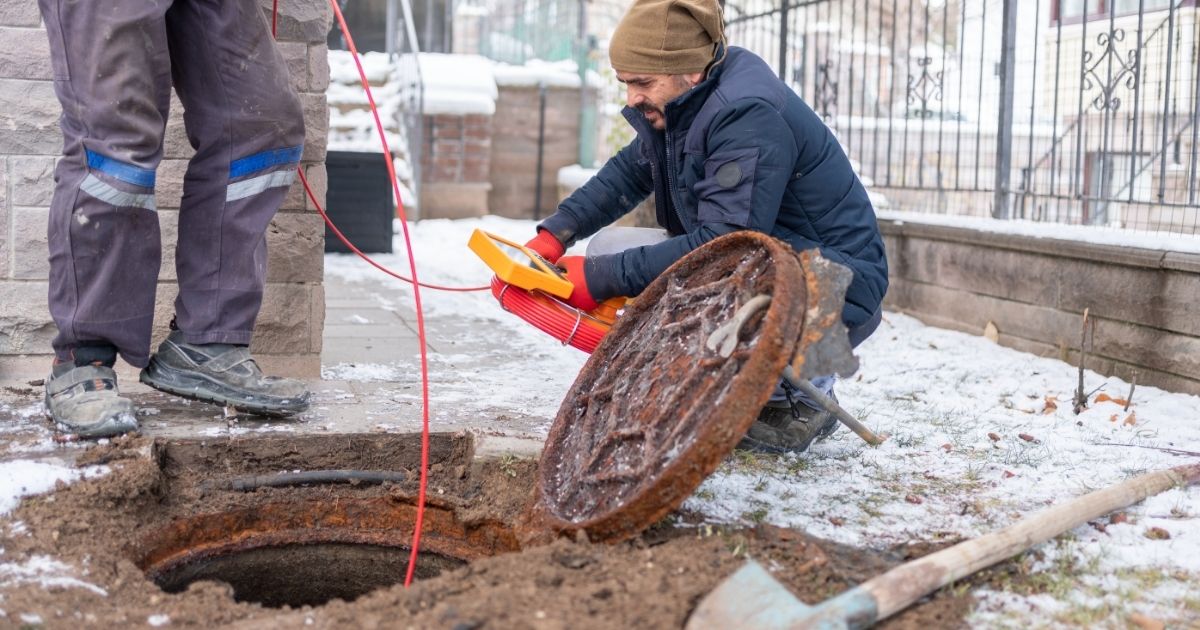
Your cleanout is a capped pipe, usually white or black PVC, located outside near the foundation, in the basement, or in a utility area. It provides direct access to the main sewer line without going through a fixture. If you cannot find it, a pro can locate it quickly during an inspection visit.
Step 2: Check whether the cleanout is under pressure
Remove the cleanout cap carefully and slowly. If wastewater immediately pushes up or spills out when you open it, the blockage is confirmed downstream and the line is under active pressure. Stop here and call a professional. Do not attempt to snake a pressurized line without proper equipment.
Step 3: Try a hand auger if the line is accessible and not pressurized
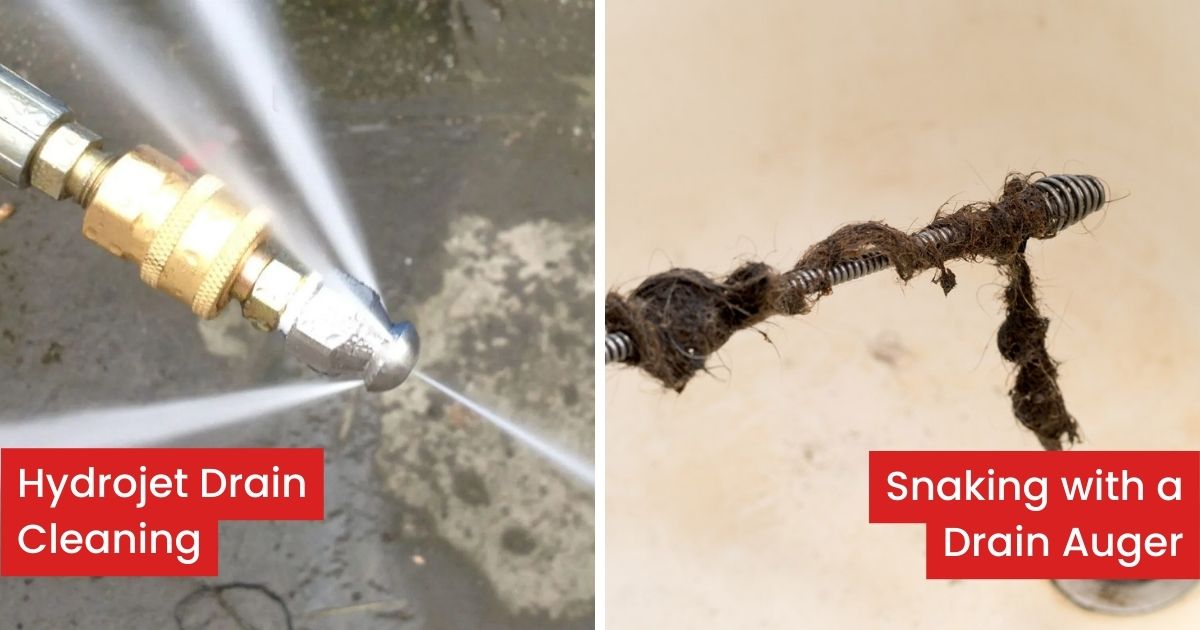
A hand snake or drain auger can sometimes unclog a main drain line if you have cleanout access and the line is not under pressure. Feed it slowly and do not force it past resistance. This has the best chance of working on a fresh debris-based clog. It will not clear root intrusion, grease buildup, or a sagging pipe.
Standard handheld snakes are not built for main sewer line depth. They can open a partial path but rarely clear the line fully, which is why the same clog comes back within weeks.
What not to do:
- Do not use chemical drain cleaners on the main sewer pipe. They do not travel far enough to reach a main drain clog and can corrode older clay and Orangeburg pipe materials common throughout Seattle.
- Do not ignore a slow drain and hope it clears on its own. Unclogging a main drain line does not happen on its own. It gets worse.
- Do not rent heavy commercial equipment unless you are trained on it. Forcing the wrong tool into a cracked clay pipe can cause a collapse that turns a clog into an excavation job.
For a broader overview of drain cleaning approaches and when each applies, see our guide on drain cleaning methods and pipe maintenance.

Best Way to Clear a Clogged Main Drain in Seattle: When a Pro Is the Right Call
If the DIY steps above did not show you how to fix a clogged main sewer line on your own, or if the cleanout was under pressure when you opened it, a professional visit is the right next move. In Seattle's older housing stock, that visit covers more ground than most homeowners expect.
Here is what a professional sewer service visit typically uncovers in Seattle homes:
- Clay and Orangeburg pipe cannot be diagnosed from the surface. A sewer camera reaches up to 400 feet into the line and inspects pipes from 2 to 10 inches in diameter, giving a clear picture of what is actually causing the backup.
- Root intrusion looks identical to a grease clog until a camera confirms it. In pre-1970s neighborhoods, root intrusion is a common culprit.
- A sagging pipe section will keep clogging no matter how many times it gets snaked. The camera identifies whether the problem is a blockage or a pipe geometry issue.
- Some older Seattle homes have no accessible cleanout, or one that has been buried or built over over time. Locating or installing cleanout access is often the first step before any cleaning can happen.
- Pipe material varies even within a single property. Clay, Orangeburg, cast iron, and PVC can all exist in the same line depending on past repairs, and the material determines what cleaning method is safe to use.
What the camera finds determines everything that happens next. Skipping the inspection and guessing at the cause is how homeowners end up paying for a service that does not solve the underlying problem.
A soft debris clog, an established root intrusion, and a collapsed pipe section are three completely different problems that happen to produce the same symptoms at the surface. Getting that answer first is what separates a permanent fix from a temporary one, and it is why hydrojet drain cleaning and snaking are not interchangeable solutions you pick based on price.
One Seattle-Specific Thing Most Homeowners Do Not Know
In Seattle, homeowners are legally responsible for the side sewer line, which is the pipe that connects your home to the city's main collector line in the street. That includes clearing it, maintaining it, and repairing it if it fails.
This matters because when a blocked main sewer line goes unaddressed, the liability sits with you. The city maintains the collector line on the street side of the connection point, but everything from your house to that point is your responsibility under Seattle municipal code.
It also means that sewer line inspections are not just good practice here. They are part of responsible property ownership. Having the line inspected every 3 to 5 years is a reasonable cadence for homes in older Seattle neighborhoods, where clay pipe and root intrusion are ongoing realities rather than one-time events.
Signs the Problem Has Gone Beyond a Simple Clog
Sometimes what starts as a main drain clog has progressed into something more serious by the time a homeowner notices it. Watch for these warning signs during or after a backup event:
- Sewage backing up into bathtubs or floor drains
- A persistent foul odor coming from multiple household drains even after clearing
- Soft or wet spots in the yard along the path where the sewer pipe runs
- Water pooling near the foundation after normal drain use
These point to a cracked, sagging, or partially collapsed pipe section rather than just a blockage. In older Seattle homes, this is not unusual. The earlier it is caught, the more repair options are available and the less disruptive the work tends to be.
For a detailed breakdown of what these symptoms mean and when they cross into repair territory, see our post on warning signs you need professional sewer line cleaning.
Get Ahead of It Before It Gets Worse
A main drain clog in Seattle is not a standard problem, and it rarely has a standard solution. The aging pipe systems across Greater Seattle's established neighborhoods, the Pacific Northwest tree canopy, and the long wet season all stack up in ways that make professional assessment the smarter call sooner rather than later.
Confirm it is actually the main line, check the cleanout if it is accessible and safe to do so, and call a pro the moment there is any pressure at the cleanout, root involvement, or suspected pipe damage. Sewer line inspections every 3 to 5 years can catch these problems before they become emergencies.
At Aces Four, we have been clearing and repairing sewer lines across Greater Seattle for over 45 years. We know what Seattle pipes look like, what causes them to fail, and how to fix them the right way the first time. If you are dealing with a clogged main drain and are not sure where to start, contact us today for a free quote and we will take it from there.
FAQs
What is a main drain clog?
A main drain clog is a blockage in the primary sewer pipe that carries all wastewater from your home to the city sewer system. Unlike a single fixture clog, it affects multiple household drains throughout the house at the same time and requires different action than a standard localized backup.
How do I know if my main sewer line is clogged?
The clearest sign is multiple drains backing up or running slow simultaneously. Other indicators include gurgling sounds from drains when water is running elsewhere in the house, water backing up into the tub when you flush the toilet, or sewage odors coming from more than one drain opening.
Can I unclog a main drain line myself?
In limited situations, yes. If you have cleanout access and the line is not under pressure, a hand auger can sometimes dislodge a soft recent clog. However, most main drain clogs in Seattle involve root intrusion, grease buildup, or aging pipe issues that standard handheld tools cannot fully resolve.
Why do Seattle homes get main drain clogs more often?
Seattle's combination of pre-1970s clay and Orangeburg pipe, one of the densest urban tree canopies in the country, and a long wet season from October through May creates conditions that accelerate pipe deterioration and root intrusion compared to newer cities or drier climates.
How does tree root intrusion cause a main sewer line clog?
Tree roots grow toward moisture. When an aging clay or Orangeburg pipe develops a crack, roots find their way in through that opening, grow inside the pipe, and collect debris around them until the line is partially or fully blocked. Big leaf maples, western red cedars, and large ornamental trees common in Seattle neighborhoods are frequent offenders.
Will chemical drain cleaners fix a blocked main sewer line?
No. Chemical cleaners do not travel far enough into the line to reach a main drain clog, and they can damage the clay and Orangeburg pipe materials that are still common in older Seattle homes. They are not an effective or safe solution for main sewer line issues.
How often should I have my sewer line inspected in Seattle?
For homes in older Seattle neighborhoods with clay or Orangeburg pipe, a sewer line inspection every 3 to 5 years is a reasonable schedule. It allows you to catch root intrusion, pipe sagging, or early cracks before they develop into full blockages or line failures that require excavation.
When should I call a plumber for a drain clog in Seattle?
Call a plumber for a drain clog in Seattle if multiple drains are backed up at the same time, if your cleanout is under pressure when opened, if a hand snake did not resolve the issue, or if you suspect root intrusion or pipe damage. The earlier you call, the more options you have and the less disruptive the repair tends to be.

.svg%20fill.svg)


.svg)
.svg)

.svg)



.svg)