


.svg)
Why Sewer Line Maintenance Matters
A functional sewer line system is one of the most important—but often overlooked—parts of a home’s plumbing. Over time, grease buildup, tree root infiltration, and soil shifting can reduce flow capacity and eventually lead to backups or blockages.
For homeowners in Seattle’s diverse soil conditions and older neighborhoods with cast iron or aging pipes, especially those near mature trees or shifting soils, proactive sewer line maintenance keeps lines clear and prevents expensive repairs.
Even minor blockages can cause slow drains, odors, or backups during heavy rainfall. Routine inspections and professional cleaning are key to supporting long-term sewer line health and avoiding emergency costs.
How Sewer Lines Get Clogged or Damaged
Understanding common causes of sewer line clogs helps inform good sewer line preventive maintenance measures. Typical factors include:
- Grease or soap residue buildup: Cooking oils, grease, and soap stick to pipe walls over time, narrowing the flow path and increasing the risk of clogs.
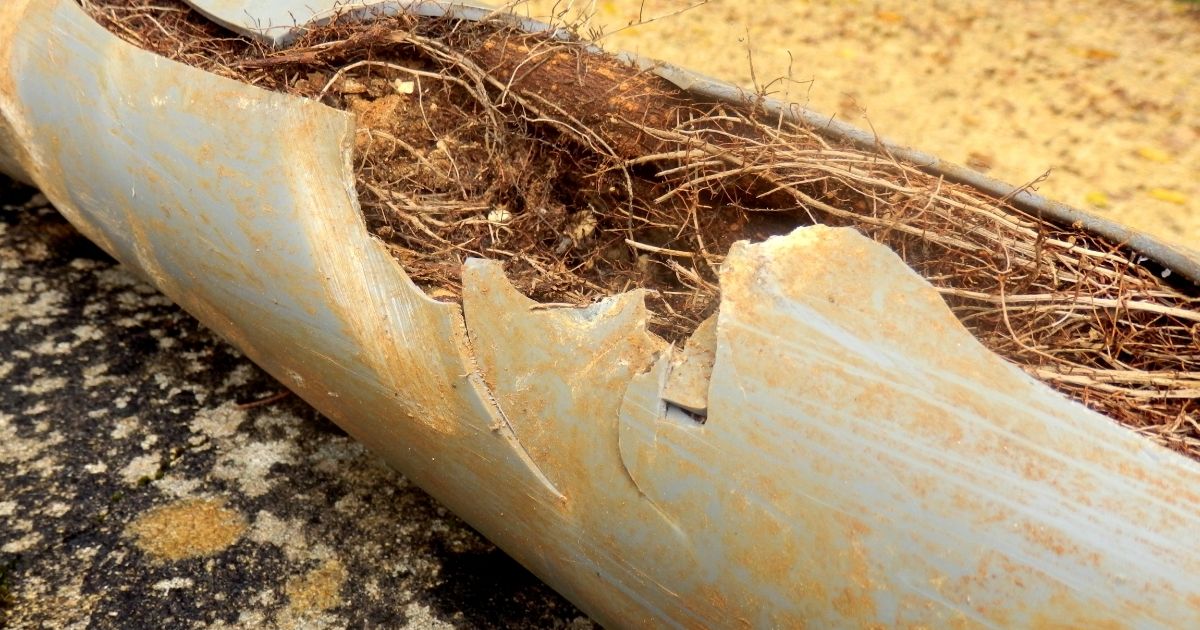
- Tree roots near sewer lines: Roots naturally seek moisture. Cracks or old joints in pipes provide an easy entry point, which can lead to slow drains or even pipe collapse.
- Foreign objects entering the sewer line: Items like baby wipes, feminine hygiene products, paper towels, and coffee grounds that shouldn’t be flushed or washed down drains can create blockages.
- Natural soil movement: Ground shifting can stress underground sewer pipes, especially older cast iron pipes, causing cracks or breaks.
- Other debris: Hair, starchy foods, and food scraps from sinks, showers, or garbage disposals contribute to buildup over time.
While these problems don’t always require emergency repairs, consistent residential sewer line cleaning and timely professional inspections can prevent minor issues from becoming major headaches.

How to Maintain a Home Sewer Line
Seattle homeowners can take simple steps to support the health of their residential sewer pipe system:
1. Mind What Goes Down Your Drains
Avoid flushing or washing items such as:
- Grease, fats, or cooking oils
- “Flushable” wipes that don’t break down easily
- Paper towels or feminine hygiene products
- Excessive hair and food scraps
Proper disposal reduces buildup and prevents root infiltration.
2. Run Hot and Cold Water After Heavy Use
After laundry, dishwashing, or garbage disposal use, run hot water for 1–2 minutes followed by cold water. This helps flush solids through the drain and keeps sewer lines clear.
3. Use Strainers and Garbage Disposals Wisely
Install strainers in sinks and shower drains to catch hair and debris. Avoid fibrous or starchy foods and coffee grounds in garbage disposals, which can cause repeated clogs.
4. Watch for Early Signs of Trouble
Common early indicators that your sewer line might need attention include:
- Slow drains in multiple fixtures
- Gurgling sounds from toilets or drains
- Unpleasant odors near drains or sewer line cleanouts
- Water backing up into tubs or floor drains
These signs suggest it’s time for routine inspections or professional residential sewer cleanout services.
Professional Residential Sewer Line Cleaning and Inspection
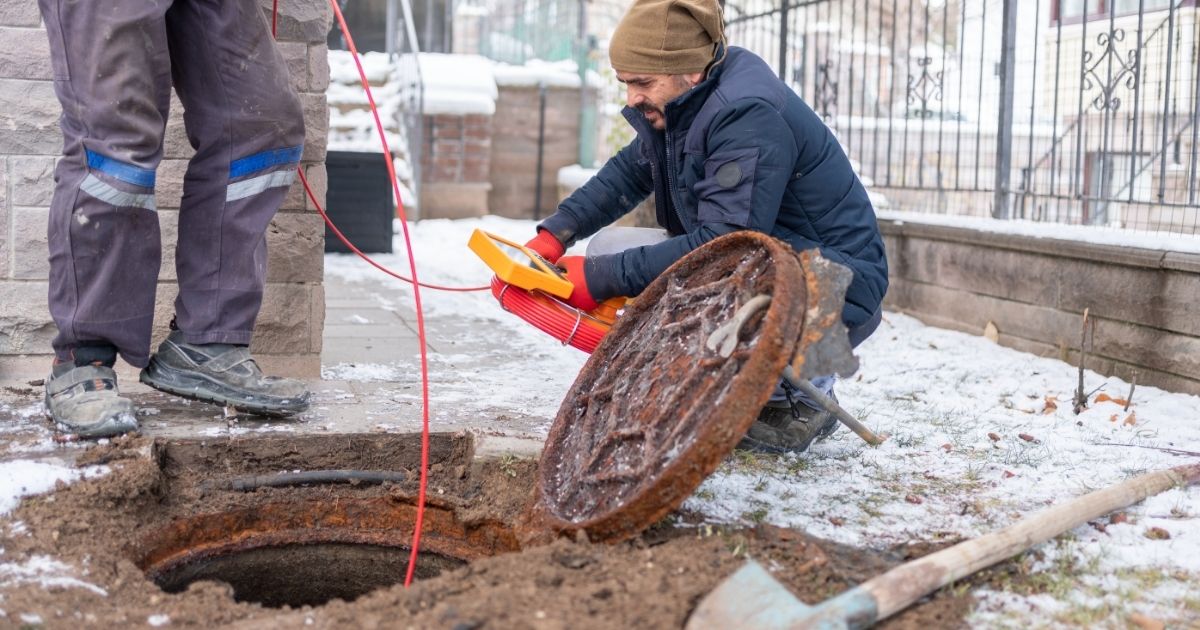
For deeper preventive care beyond homeowner habits, periodic residential sewer line cleaning and camera inspection services by professionals are recommended.
Professional technicians may:
- Use high-pressure water jets to safely remove grease and debris
- Identify weak spots, cracked pipes, or early tree root infiltration
- Provide recommendations for preventative measures such as root barriers
- Perform residential sewer cleanouts to maintain flow and reduce the likelihood of costly repairs

How Often Should a Sewer Line Be Cleaned?
There isn’t a universal schedule, but many homeowners have inspections and cleaning every 2–3 years, or sooner if warning signs appear.
Factors influencing frequency include:
- Age of the home and materials used (e.g., cast iron pipes)
- Soil type and moisture levels
- Tree coverage near sewer lines and root growth patterns
- History of backups, clogs, or other sewer line problems
Professional inspections can help determine a home sewer line maintenance schedule that makes sense for your property and whether residential sewer pipe lining or residential sewer lining may be necessary.
Who Is Responsible for Sewer Maintenance?
Responsibility generally falls into two areas:
- Homeowner Responsibility: The sewer line from your home to the property boundary and the lateral line running to the main sewer is typically the homeowner’s responsibility. This includes monitoring, preventive habits, routine inspections, and any home sewer line maintenance on that portion of the line.
- Municipal Responsibility: Once the sewer line connects to the city main in the street or alley, most municipalities assume responsibility. This point can vary based on local codes, so always verify with your utility department or public works.
Understanding where your responsibility ends and the city’s begins can prevent confusion and unexpected costs.
When Preventative Sewer Line Maintenance Helps the Most
Proactive steps are most effective when combined:
- Smart homeowner habits like properly disposing of grease and other debris and using strainers
- Regular sewer line inspections and sewer line cleaning by professionals
- Timely scheduling of residential sewer cleanouts and root barrier treatments to prevent root growth
This approach supports sewer line longevity without resorting to unnecessary or invasive repairs.
Protecting Your Sewer Line Starts with Prevention
A little maintenance today can prevent a major headache tomorrow. Routine sewer line cleaning, inspections, and cleanouts protect your plumbing, your home, and your budget. If your drains have been slow or you just want peace of mind, taking action now is easier than dealing with an emergency later.
If you need help with sewer line issues, Aces Four can assist. We provide professional sewer line cleaning and inspections in Seattle homes, helping your system flow smoothly and preventing costly backups. Contact us today to learn more.
FAQs
What is sewer line maintenance, and why is it important?
Sewer line maintenance includes regular inspections, cleaning, and monitoring for early signs of clogs or damage. It helps prevent backups, costly repairs, and keeps your sewer system flowing efficiently.
How can I prevent sewer line clogs at home?
Avoid flushing or washing non-degradable items, limit grease and starchy food down drains, use strainers in sinks and showers, and run hot and cold water after heavy use to help move debris through the pipes.
How often should a sewer line be professionally inspected or cleaned?
While it varies by home and pipe condition, many homeowners schedule inspections and cleaning every 2–3 years. Soils, tree roots, and pipe age can affect the ideal frequency.
What are warning signs that a sewer line needs attention?
Look for slow drains in multiple fixtures, gurgling sounds, foul odors, water backing up, or wet spots in your yard. These signs indicate it may be time for professional sewer line maintenance.
Who is responsible for maintaining the sewer line?
Homeowners are typically responsible for the sewer line from the house to the property boundary. The municipality generally manages the connection to the city main. Knowing this helps avoid unexpected repair costs.

.svg%20fill.svg)



.svg)
.svg)

.svg)
.svg)