


.svg)
What Hydro Jetting Maintenance Actually Means
Most people first encounter hydro jetting during a plumbing emergency. A drain backs up, a technician arrives, and high-pressure water clears the blockage. The problem is gone, but nothing about that visit prevents the next one.
Hydro jetting maintenance works differently. Instead of responding to a failure, you schedule the service before one develops. A technician accesses your exterior sewer cleanout and runs high-pressure water through the line, flushing out grease coating, mineral scale, and early-stage root tendrils before they establish a foothold in your pipe walls.
Grease, scale, and debris coat interior walls gradually, narrowing the diameter month by month. A pipe significantly narrowed by buildup will slow every drain connected to it, often well before anything fully backs up. Hydro jetting strips that coating and restores the pipe to near its original interior diameter, which is something a snake cannot do.
That distinction matters because catching buildup at the 30 percent mark costs far less than clearing it at 90 percent, or after it causes a backup into your basement.
This is an exterior service covering your sewer and drain lines from the cleanout out to the city connection. It does not involve interior plumbing repairs inside the home.
Why Seattle Homes Need It More Than Most
Not every city has the same relationship with its sewer lines. Seattle does.
A combination of factors makes Greater Seattle one of the harder environments for residential drain systems in the country:
- Aging pipe materials. Homes built before the 1970s in neighborhoods like Ballard, Capitol Hill, Beacon Hill, and West Seattle still commonly have clay or Orangeburg sewer pipes. Both materials degrade, shift, and collect buildup faster than modern PVC. Many of these lines have never been replaced.
- Tree root pressure. Seattle's urban canopy is dense and mature. Bigleaf maples, Norway maples, and Douglas firs line residential streets throughout the city. Their root systems actively seek moisture, and clay pipe joints spaced every few feet are exactly the kind of entry point roots find and exploit over time.
- Heavy seasonal rainfall. PNW winters push significant water volume through aging lines repeatedly. Each heavy rain event carries debris and sediment into partially narrowed pipes, accelerating buildup that was already developing.
- Gradual grease accumulation. Kitchen drain lines in older homes collect grease and organic material along interior walls year-round. This does not require any single event to become a problem. It just requires time.
These conditions do not cancel each other out. They stack. A pre-1970s clay pipe, surrounded by mature tree roots, running through Seattle's wet winters, is a line that benefits from being maintained on a real schedule.
How Often Should You Schedule Professional Drain Cleaning?
There is no one-size-fits-all answer, but there are clear patterns based on what your home is actually dealing with.
For most Greater Seattle homes, once every 12 to 18 months is a reasonable baseline. From there, the right frequency depends on a few factors:
Schedule more frequently if:
- Your home was built before 1980 and still has original clay or cast iron sewer lines
- There are large trees within 10 to 15 feet of your sewer line
- You have had slow drains or professional cleanouts in the past
- Your household runs heavy water use, such as a large family, frequent laundry cycles, or regular home cooking
You may be able to stretch to 18 to 24 months if:
- Your home has modern PVC sewer lines
- There is minimal tree coverage near your lateral line
- You have no history of drain issues and your last inspection came back clean
One practical add-on worth considering: pairing your maintenance hydro jetting visit with a sewer camera inspection every two to three years. The jetting cleans the line. The camera tells you what the line actually looks like after years of use, so you are not guessing about its condition.
Hydro Jetting Maintenance vs. Drain Snaking: Which One Actually Prevents Problems?
When homeowners research snaking vs hydro jetting drain cleaning, the two services are often presented as interchangeable options for the same situation. They are not, and the difference matters especially when the goal is prevention rather than clearing an existing clog.
Drain snaking is a mechanical process. A cable with a cutting head breaks through a clog and restores flow. It is effective at clearing an immediate blockage, but it does not clean the pipe walls. Grease coating, scale, and debris lining the interior stay in place. The pipe drains again, but the conditions that caused the clog are still there.
Hydro jetting flushes the full interior of the line. The high-pressure water does not just push through a blockage. It clears the walls, removes buildup, and navigates bends and tight corners in older pipe layouts that a mechanical snake often cannot reach as effectively. In Seattle homes where sewer lines have been patched and rerouted over decades, that ability to follow the line completely matters.
For maintenance purposes, that difference is the entire point. If the goal is prevention, you need the service that removes the buildup before it becomes the problem, not one that clears the clog after it already has.
Snaking still has its place as a targeted fix for an active blockage. But if you are scheduling ahead of time with the goal of protecting your pipes, hydro jetting is the right tool for that job.

Scheduled vs. Emergency Hydro Jetting: Why Timing Changes the Cost
Calling for hydro jetting during a backup is a different experience than scheduling it on a clear day.
Emergency service comes with urgency. You are calling because something has failed, and the priority is getting someone out fast. That urgency is reflected in the cost, and it extends beyond just the service fee. Emergency visits often happen after a backup has already caused secondary problems such as water in the basement, a flooded utility room, or damage to the cleanout area itself. The hydro jetting becomes one item on a longer and more expensive list.
Scheduled preventative sewer cleaning works in the opposite direction. You pick the timing, the technician arrives without pressure, the line gets cleared before anything fails, and the visit ends there. No secondary damage, no emergency rate, no follow-up repairs triggered by waiting too long.
The price difference between a scheduled visit and an emergency call is real, but the larger savings come from what you avoid entirely. A backup that gets caught during routine maintenance is not a story you have to tell your insurance company.
What Hydro Jetting Maintenance in Seattle Includes
Here is what actually happens during a routine visit, without the emergency context.
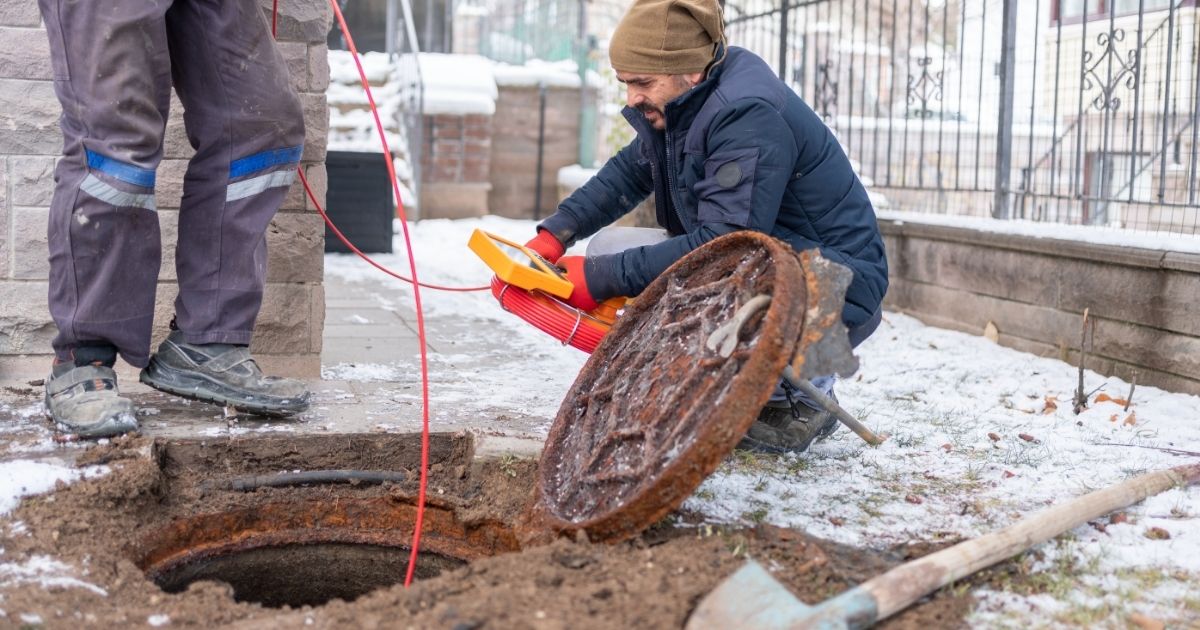
The technician locates and accesses your exterior sewer cleanout, the access point connecting your lateral sewer line to the city main. High-pressure water is introduced through the cleanout and run through the line, clearing grease coating, mineral scale, and any early-stage root growth before it establishes.
Because hydro jetting uses only pressurized water, there are no chemical residues left behind in the pipe. That matters for Seattle homeowners who are conscious about what goes into the ground, and it also means the process is safe for pipe materials that harsher treatments can damage over time.
After the flush, a flow check confirms the line is moving correctly. No standing backups, no pressure issues, water running cleanly through the system.
If you have not had a sewer camera inspection recently, this is the right time to add one. Jetting cleans the line. A camera shows you what is inside it, where root activity is concentrated, and whether any pipe sections are showing wear that warrants attention before your next scheduled visit. Together, they give you a complete picture rather than just a cleaned pipe.
The scope is exterior sewer and drain lines from the cleanout outward. This is not an interior plumbing repair service.

Heavy seasonal rainfall in Seattle during PNW rainy season affecting residential sewer lines.
When to Put This on Your Calendar
You do not need a slow drain or a bad smell to justify scheduling a hydro jet drain cleaning appointment. The triggers worth acting on are mostly calendar-based, not symptom-based.
Consider scheduling if any of these apply:
- It has been 12 to 18 months since your last professional drain cleaning, with no current issues
- You are heading into fall before Seattle's rainy season and want your lines cleared ahead of heavy water volume
- You recently had large trees trimmed or removed near your sewer line, since root systems can remain active after disturbance
- You purchased a home built before 1980 with no documentation of prior sewer maintenance
- Your household runs consistently heavy water use throughout the week
- A slow drain cleared up on its own a few months ago, because that rarely means the problem resolved
The last point is worth sitting with. A drain that clears on its own usually means the partial blockage shifted, not that it disappeared. Scheduling a maintenance visit after that kind of episode is catching the problem at a manageable stage, before the next heavy rain or surge of use pushes it past the point of no return.
Staying on top of hydro jetting maintenance also extends the working life of your sewer lateral. For a 50-year-old clay line in Ballard or a cast iron run under a Capitol Hill property, regular cleaning reduces the internal stress and corrosion that shortens pipe lifespan. It is not a guarantee against eventual replacement, but it is one of the more practical ways to delay it.
The Best Time to Schedule Hydro Jetting Is Before You Need It
Staying consistent with preventative drain maintenance is one of the few home upkeep habits that reliably pays for itself in Greater Seattle. The infrastructure, tree coverage, and wet winters here create conditions that work steadily against aging sewer lines, and the homeowners who avoid expensive emergency calls are the ones who get ahead of it rather than react to it.
The benefits of scheduled drain cleaning go beyond a clear pipe. For Greater Seattle homes dealing with clay laterals, root pressure, and wet season surges, a routine visit translates directly into avoided repairs and extended pipe life.
A scheduled visit costs less, causes no disruption, and leaves you with a clear picture of your line's condition. Waiting for symptoms to appear means you have already lost the window where prevention was the cheaper option.
Aces Four brings over 45 years of sewer and drain experience across Greater Seattle. If your last professional cleaning was more than a year ago, or if you have never scheduled one at all, reach out for a free estimate and let's get it on the calendar before the next rainy season does it for you.
FAQs
What is hydro jetting maintenance and how is it different from emergency hydro jetting?
Hydro jetting maintenance is scheduled before any problem develops. Emergency hydro jetting happens after a backup already has. The process is the same, but the context, timing, and cost are not. Scheduling ahead means you avoid the urgency premium and the secondary damage that comes with a backup.
How often should Seattle homeowners schedule hydro jetting maintenance?
For most homes in Greater Seattle, once every 12 to 18 months is a reasonable baseline. Homes built before 1980 with clay or cast iron pipes, properties with large trees near the sewer line, or households with heavy water use may benefit from annual visits. Newer homes with PVC lines and minimal tree coverage can often go closer to 24 months between visits.
Does hydro jetting work on older clay pipes common in Seattle neighborhoods?
Yes, with the right equipment and pressure settings. Clay pipes are common in pre-1970s Seattle homes and respond well to hydro jetting when done correctly. A qualified technician will assess the pipe material before starting. Pairing the visit with a sewer camera inspection is a good idea for older lines so you can see actual pipe condition after the flush.
Can scheduled hydro jetting prevent tree root intrusion in my sewer line?
It significantly reduces the risk. Hydro jetting clears early-stage root tendrils before they establish inside the pipe. In Seattle neighborhoods with dense mature tree coverage, roots are a consistent pressure on clay and older pipe materials. Regular jetting keeps the interior clear so roots never get a foothold. It does not stop them from attempting entry, but it removes them before they become a structural problem.
Is preventative hydro jetting worth scheduling if my drains seem fine right now?
Yes, and that is exactly when it is most cost-effective. Grease, scale, and root tendrils build up gradually and silently. By the time drains start running slow, the pipe interior is already significantly narrowed. Scheduling maintenance while everything seems fine means you are catching buildup at an early, inexpensive stage rather than paying emergency rates after it becomes a failure.
How long does a routine hydro jetting maintenance visit typically take?
Most standard residential maintenance visits take between one and two hours depending on the length of the line and its current condition. Adding a sewer camera inspection extends the visit slightly but gives you a complete picture of the line after cleaning. Your technician can give you a more specific estimate once they have assessed your cleanout access and line layout.
What is the difference between hydro jetting and drain snaking for maintenance purposes?
Drain snaking is a mechanical process that breaks through an existing clog and restores flow, but it leaves grease and scale on the pipe walls. Hydro jetting flushes the full interior of the line, removing buildup from the walls and restoring the pipe closer to its original diameter. For maintenance purposes, hydro jetting is the more effective choice because it addresses the conditions that cause clogs rather than just clearing the clog itself.
Does a hydro jetting maintenance visit include a sewer camera inspection?
Not automatically, but it is a worthwhile add-on if it has been a few years since your last one. Jetting cleans the line. The camera shows you what it actually looks like after, where wear or root activity is concentrated, and what needs attention before your next visit. Together they give you a complete picture rather than just a clean pipe.

.svg%20fill.svg)


.jpg)
.svg)
.svg)

.svg)


.svg)