


.svg)
If you are dealing with tree roots in your sewer line, the short answer is this: hydro jetting usually works better for long-term results, while a drain snake is often the faster, lower-cost choice for temporary relief.
In many Seattle homes, especially where old pipes and aging sewer systems are common, the best next step is usually a camera inspection first so we can see the pipe condition and recommend the safest, most effective solution for you.
Tree root intrusion is one of the most frustrating drain problems we see. You clear the line, things seem fine for a while, and then the slow drains, backups, and repeat clogs come right back. That is why it helps to understand the real difference between hydro jetting vs snaking before you decide what to do next.
Why tree roots are such a common problem in Seattle
.jpg)
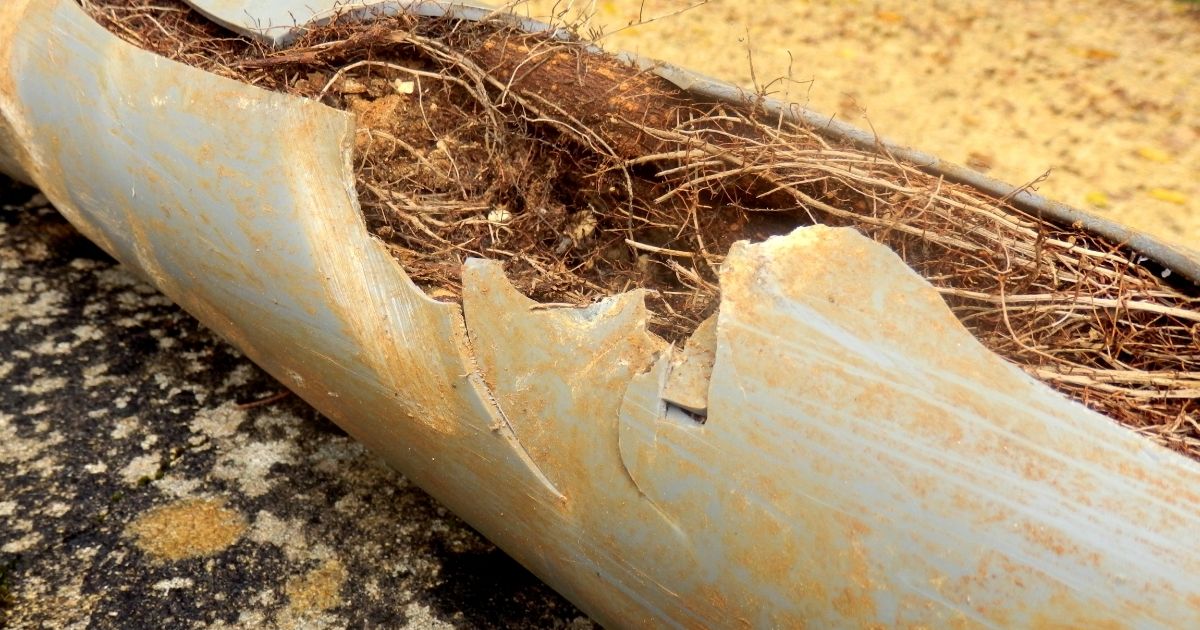
Seattle has a lot of mature trees and a lot of aging sewer infrastructure. That combination creates the perfect setup for root intrusion. As roots search for moisture, they naturally move toward tiny leaks in underground lines. Once they find a weak point, they keep growing.
We often see roots enter through:
- Tiny cracks
- Loose joints
- Joint separation
- Aging connections in cast iron or clay lines
- Worn sections of the main sewer line
Once roots get inside, they start catching debris. That buildup grows over time and turns into a much bigger blockage. What starts as a small issue can quickly become a root mass mixed with grease buildup, soap scum, and toilet paper.
Common signs you may already have roots in your line include:
- Slow drains throughout the house
- Multiple slow drains at the same time
- Gurgling sounds from sinks or toilets
- Unpleasant odors
- Backups at the lowest drain in the home
- Frequent clogs in kitchen sinks or tubs
- A recurring main line problem that never seems fully gone
If that sounds familiar, you are probably past the stage of a simple household clog. You are looking at a sewer issue that needs professional drain cleaning and the right drain cleaning method.
What snaking does for tree root clogs
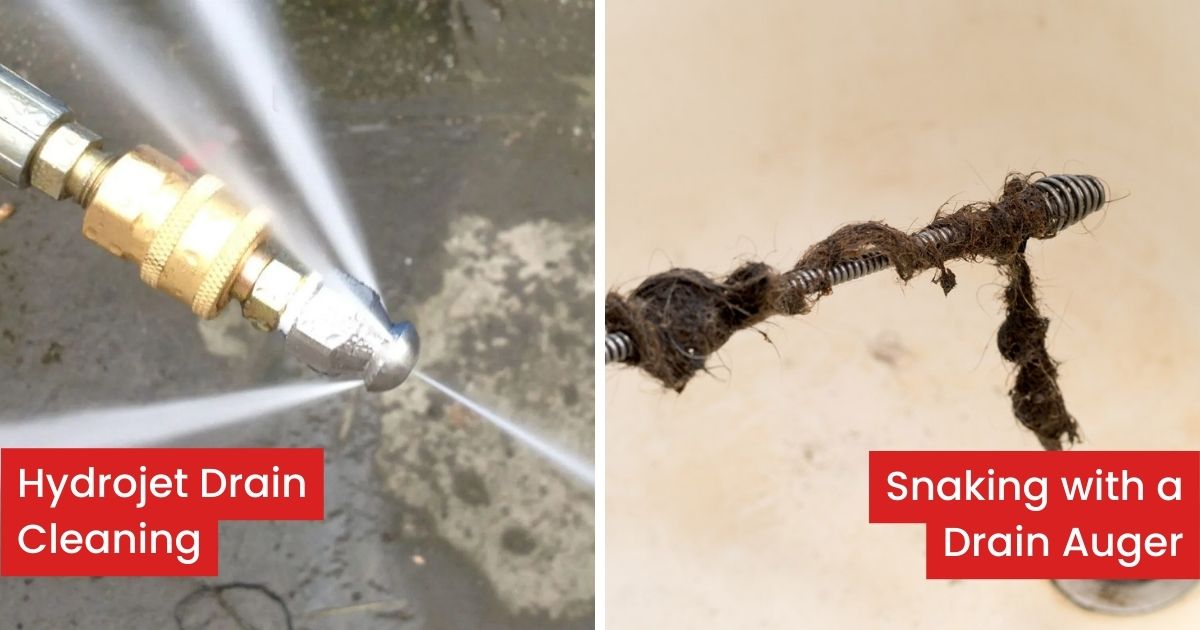
Snaking is one of the most common ways to open a blocked drain. A professional drain cleaner uses a drain snake, also called a drain auger, with a flexible metal cable that moves through the pipe and breaks through the blockage.
In some cases, the tool includes a cutting head designed to cut through roots.
This method can work well when you need to restore flow quickly. It is often used for:
- Minor clogs
- Isolated clogs
- Soft blockages
- Emergency drain opening
- Fast relief when the line is backed up
When we use traditional snaking for roots, the cable usually punches a path through the obstruction. That gets water moving again, which is helpful in the moment. But it often does not fully remove the root growth or the debris stuck to the inside of the pipe.
That is the biggest weakness of traditional snaking. It can clear clogs, but it usually does not deep clean the line.
Where snaking still makes sense
There are times when snaking is absolutely the right call. We may recommend it when:
- You need immediate relief from a backup
- You are dealing with minor clogs instead of heavy root growth
- You want the lowest upfront cost
- The line needs to be opened first before further inspection
- The pipe may be too fragile for a stronger cleaning approach until we know more
In that sense, snaking is often a cost effective first step for emergencies. It is just important to know that it may only give you temporary relief if roots are the real problem.
What hydro jetting does differently
Hydro jetting is a much more thorough cleaning process. Instead of using a cable to cut through one section of the blockage, we use a specialized hose that sends high pressure water through the pipe.
Depending on the situation and the pipe condition, that water pressure can be strong enough to break apart roots, flush out debris, and scrub the pipe interior clean.
This is why hydro jetting sewer line cleaning is often the better option for heavy buildup and persistent root problem issues. It does more than create a small opening. It cleans the whole inside diameter of the line.
Hydro jetting can help remove:
- Tree roots
- Sludge and debris
- Grease buildup
- Soap scum
- Mineral buildup
- Mineral deposits
- Residue left behind after past blockages
When we finish a successful jetting job, the goal is not just to get water moving again. The goal is to leave the pipe walls clean so your system has better flow capacity and is less likely to catch new debris right away.
Why homeowners often prefer hydro jetting
For many Seattle homeowners, hydro jetting makes sense because it offers a more complete clean. It is especially useful when you are dealing with:
- Recurring clogs
- Heavy root mass
- Deep buildup
- A sluggish sewer system
- A history of repeat drain calls
- A main sewer line that keeps backing up
Another benefit is that hydro jetting uses only water. That means you do not need to rely on chemical drain cleaners or other harsh chemicals that can be rough on your plumbing and still fail to solve the real issue.
Hydro jetting vs snaking: the biggest differences
When homeowners ask us about hydro jetting vs snaking, the easiest way to explain it is this: snaking opens the blockage, while hydro jetting cleans the pipe.
Here is the practical comparison.
Snaking
- Uses a drain snake or drain auger
- Cuts a path through the blockage
- Works well for immediate relief
- Usually lower upfront cost
- Often leaves debris behind
- More likely to lead to repeat clogs
Hydro jetting
- Uses high pressure water
- Breaks apart buildup across the pipe interior
- Helps clear roots and residue
- Leaves pipe walls clean
- Better for thorough cleaning
- More effective as a long term solution
If you are mainly trying to get through the next few days, snaking may be enough. If you want to reduce the chance of future clogs, hydro jetting is usually the stronger option.
Which works better for tree roots in Seattle?
For most Seattle root intrusion issues, we lean toward hydro jetting for long-term results.
Here is why.
1. It removes more than the visible blockage
A snake may cut through a section of root growth, but it often leaves shredded roots, sludge, and residue stuck to the pipe. That leftover material can catch more debris and start the clogging cycle all over again.
Hydro jetting does a better job of removing the entire mess, not just part of it.
2. It helps reduce recurrence
This is one of the biggest reasons homeowners choose hydro jetting services over repeat snaking visits. When we can thoroughly clean the line, there is less material left behind for new buildup to grab onto.
That does not mean roots can never return if there is still an entry point. It does mean you may get longer-lasting results.
3. It can be a better fit for older Seattle systems
This surprises some homeowners, but in many cases hydro jetting can actually be safer than aggressive cabling in older lines. Repeated mechanical scraping from a cable can be rough in certain situations. Water, when used correctly and only after inspecting the line, can clean more evenly.
That said, this depends entirely on whether the line is structurally sound. We never want to assume a pipe can handle pressure without first understanding the material and condition.
When snaking may still be the better choice
Even though hydro jetting often wins for root problems, snaking still has a place.
We may recommend snaking first when:
- You need fast, lower-cost emergency service
- The blockage seems limited and not deeply established
- We suspect a clog from paper or soft debris, not heavy roots
- You have very fragile pipes
- We need to reopen the line before a full camera inspection
In short, snaking is often better for immediate relief. It is just not always the best answer for invasive tree roots that keep coming back.
Why a camera inspection matters first
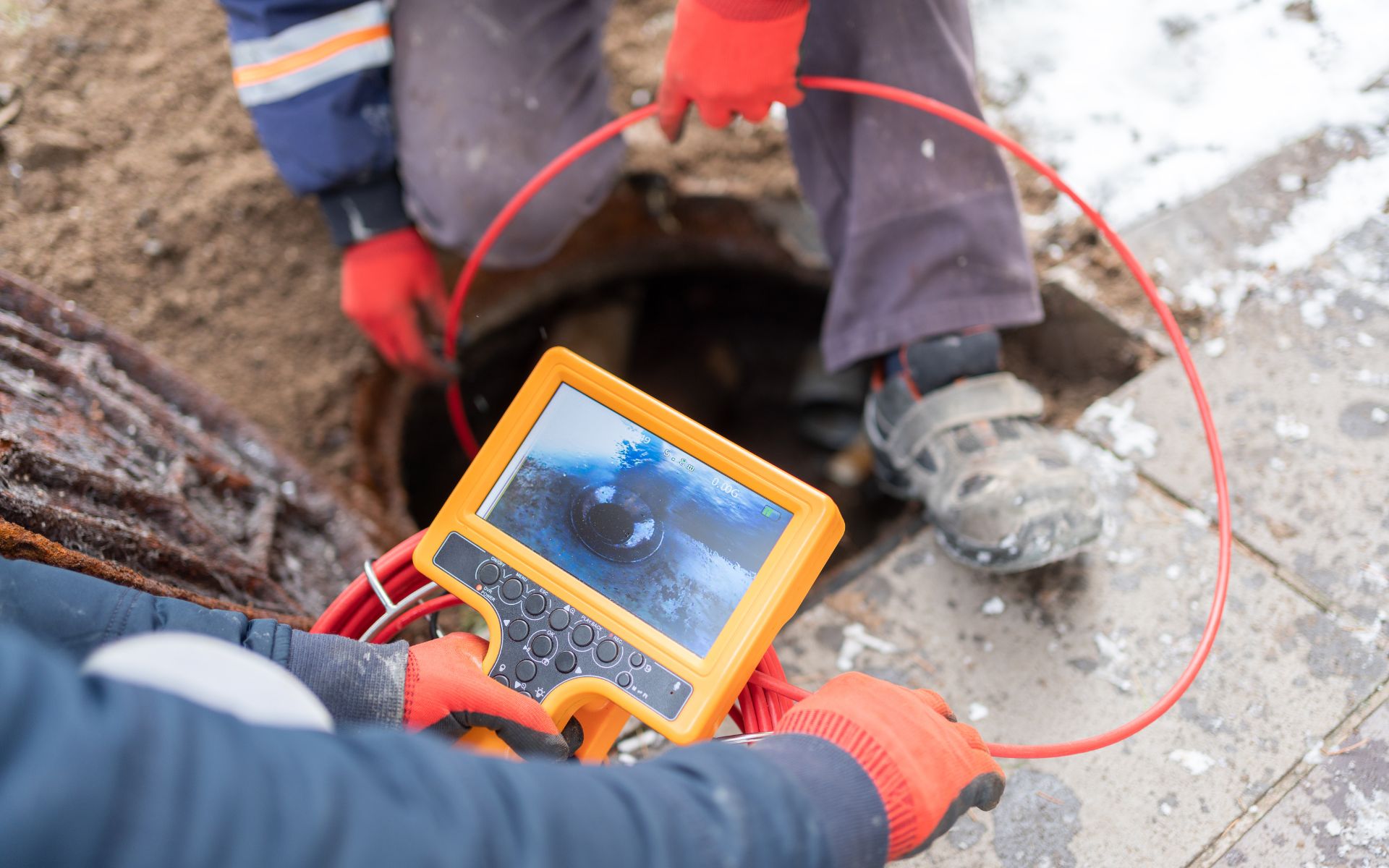
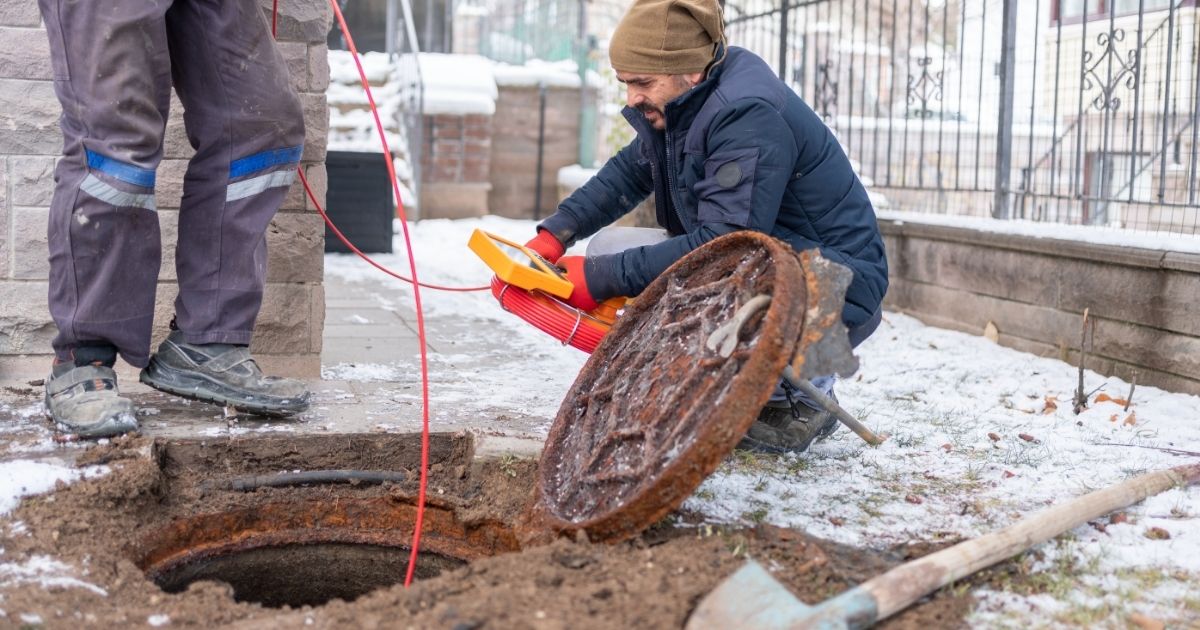
Before choosing between hydro jetting and snaking, we strongly recommend a camera inspection. This is the step that takes the guesswork out of drain cleaning.
A camera inspection helps us confirm:
- The exact location of the blockage
- Whether roots are present
- How severe the root intrusion is
- If there are cracks, offsets, or joint separation
- The overall pipe condition
- Whether the line is safe for jetting
This matters because not every pipe is a candidate for hydro jetting. Some old pipes, especially damaged clay lines or lines with major deterioration, may need a gentler or different approach.
A camera inspection helps us protect your plumbing while still solving the problem.
For many Seattle homes, the most effective sequence is simple:
- Perform a camera inspection
- Evaluate the pipe condition
- Choose the best drain cleaning method
- Clean the line
- Reassess for repair needs if roots have already caused damage
That approach gives you a smarter recommendation and avoids wasting money on a short-term fix when you really need a more complete one.
Is hydro jetting always safe?
Not always. It is powerful, which is exactly why it works so well. But power needs to be matched to the condition of the line.
We are cautious with hydro jetting when we see:
- Severely deteriorated pipe walls
- Broken clay pipe
- Significant pipe damage
- Major offsets
- Collapsed sections
- Very weak or unstable joints
If the pipe is badly compromised, jetting may not be the first move. In those cases, we may recommend a different cleaning strategy, repair planning, or additional diagnostic work.
That is also why we never tell homeowners to treat every clog the same. The right answer depends on your system, not just the symptom.
Is hydro jetting worth the extra cost?
In many cases, yes.
Snaking is often cheaper upfront. If you just need your drain open now and budget is the main concern, it may be the practical choice. But if you are calling for service every few months because roots keep returning, those repeat visits add up quickly.
Hydro jetting may be more cost effective over time because it offers:
- More comprehensive cleaning
- Better long-term flow
- Fewer repeat visits in many cases
- A better chance of restoring full flow capacity
- Less leftover debris inside the line
That is why we usually frame it this way: snaking may cost less today, but hydro jetting may save you more frustration and money later.
What we usually recommend for Seattle homeowners
If you are dealing with tree roots in a Seattle sewer line, our recommendation is usually:
- Start with a camera inspection
- Use hydro jetting when the line is in good enough shape
- Choose snaking when you need immediate relief or when the pipe is too fragile for jetting until we know more
That recommendation is based on what we actually see in the field. Seattle homes often have older sewer infrastructure, and sewer repairs here can be expensive. Because of that, we want to solve the problem as thoroughly as possible without taking unnecessary risks.
For many homeowners, that makes hydro jetting the better answer for serious root intrusion.
Practical signs you may need more than snaking
You may want to consider professional cleaning beyond basic snaking if:
- Your drains slow down again shortly after clearing
- You notice recurring odors
- You have more than one slow fixture
- You have had past root issues
- The clog keeps returning in the same line
- Your kitchen drains and lower-level fixtures back up together
Those signs usually point to a bigger main line issue, not just a simple indoor drain clog.
Final answer: hydro jetting vs snaking for tree roots in Seattle
When we answer the question directly, here is where we land.
Hydro jetting usually works better for tree roots in Seattle because it offers a deeper clean, removes more debris, and helps reduce future clogs. It is often the best fit for recurring clogs, heavier root removal, and homeowners who want a more reliable, long-term result.
Snaking still has value. It is a strong option for immediate, lower-cost relief, especially when you need the drain reopened fast. But for many root-related sewer problems, it is more of a temporary fix than a full solution.
The smartest next step is not to guess. It is to inspect the line, understand the pipe condition, and choose the method that fits your system.
When you compare rooter drain cleaning, rooter service, or a sewer jetting service, it helps to look beyond the upfront price and focus on what will actually solve the problem. We do not want to just create a small opening in the blockage. We want to recommend the right cleaning method for your line, your home, and the severity of the root intrusion.
For homeowners dealing with tree roots, slow drains, or a recurring main sewer line issue, Aces Four is here to help. We provide professional inspections, drain cleaning, and sewer solutions designed to restore flow and reduce repeat clogs. Contact Aces Four to schedule service and get expert help choosing between snaking and hydro jetting for your Seattle home.
FAQs
1. Is hydro jetting better than snaking for tree roots?
In many cases, yes. Hydro jetting is often better than snaking for tree roots because it uses high pressure water to clear roots, flush debris, and clean the pipe walls more thoroughly. Snaking can open a path through the blockage, but hydro jetting usually provides a deeper clean and better long-term results for a root-filled sewer line.
2. Can you snake tree roots out of a sewer line?
Yes, you can snake tree roots out of a sewer line, but it is usually a temporary fix. A drain snake or drain auger with a cutting head can cut through the root blockage and restore flow, but it often leaves behind root fragments and debris on the pipe walls. That is why root intrusion often comes back after snaking alone.
3. How long will hydro jetting last?
How long hydro jetting lasts depends on the condition of the pipe and whether roots can still enter the line. In many homes, hydro jetting lasts much longer than snaking because it removes grease buildup, mineral buildup, and root debris more completely. If the sewer pipes have cracks or loose joints, roots may return until the damaged section is repaired.
4. Does hydro jetting have any disadvantages?
Yes, hydro jetting does have some disadvantages. It can cost more upfront than snaking, and it is not the right choice for every plumbing system, especially fragile pipes, severely damaged lines, or some old pipes. A camera inspection is the best way to check pipe condition before using hydro jetting on a main sewer line.
5. Can I use a pressure washer for hydro jetting?
No, a regular pressure washer is not the same as professional hydro jetting services. True hydro jetting sewer line cleaning uses specialized equipment, the right nozzles, and controlled water pressure designed for drain and sewer systems. Using a standard pressure washer on your own pipes can be ineffective, unsafe, and may even cause pipe damage.
6. How fast do roots grow back in a sewer line?
Tree roots can grow back in a sewer line surprisingly fast if the entry point is still there. In some cases, roots may begin returning within months, especially when they are feeding through tiny cracks, loose joints, or joint separation. That is why complete root removal, cleaning, and repair planning are often needed to reduce repeat clogs.
7. What is the easiest way to remove tree roots from a sewer line?
The easiest way to remove tree roots depends on how severe the blockage is. For a quick opening, snaking may be the fastest option. For a more complete and professional solution, hydro jetting is often the better choice because it can clear roots, wash away buildup, and leave drains flowing freely with less leftover debris inside the line.
8. What is the best way to remove tree roots from a sewer line in Seattle?
For many Seattle homes, the best way to remove tree roots from a main sewer line is a camera inspection followed by hydro jetting when the line is in good condition. This approach helps confirm the severity of the root problem, protect older pipes, and choose the most effective drain cleaning method for long-term results. Snaking may still be useful for immediate relief, but hydro jetting is often the stronger long-term option.

.svg%20fill.svg)


.svg)
.svg)

.svg)

.svg)