


.svg)
When multiple drains in your home start slowing down or backing up at the same time, it’s rarely a coincidence. What may look like a simple clog could actually signal a main sewer line broken beneath your property, hidden, underground, and steadily worsening.
Because these pipes lie beneath soil, driveways, or landscaping, damage often goes unnoticed until it begins affecting your home or yard. Recurring backups, unusual odors, or soggy patches outside can all be early warning signs that structural damage is occurring.
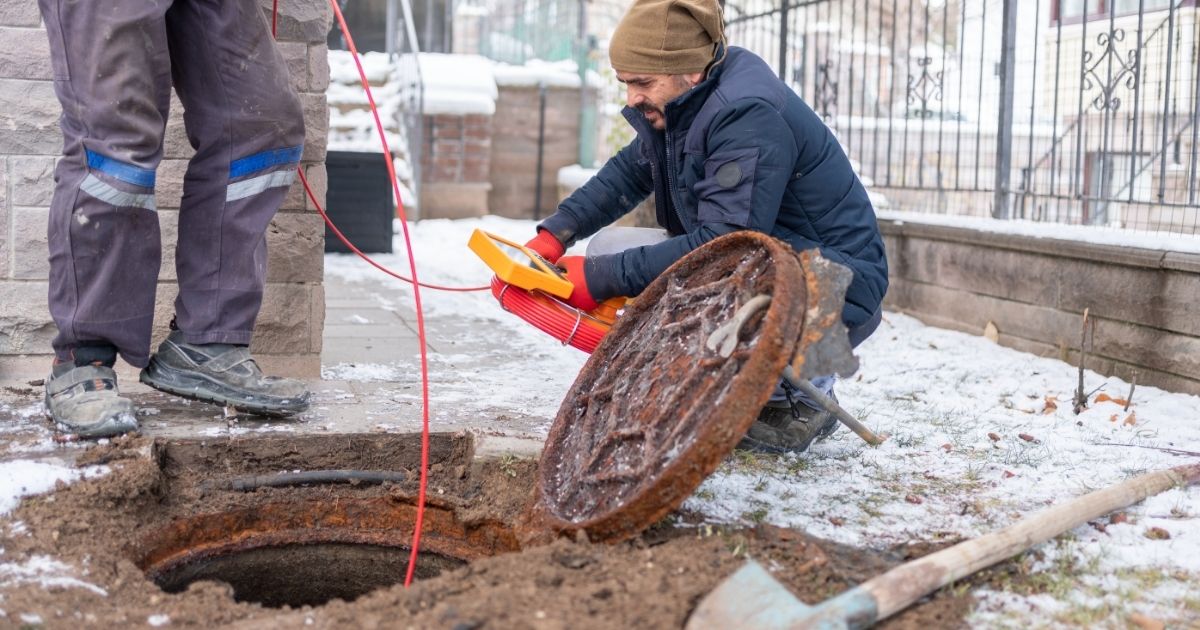
This guide walks you through how to recognize a broken or collapsed main sewer line, what causes these underground failures, and when professional residential sewer line repair may be necessary.
What Happens When a Main Sewer Line Breaks or Collapses
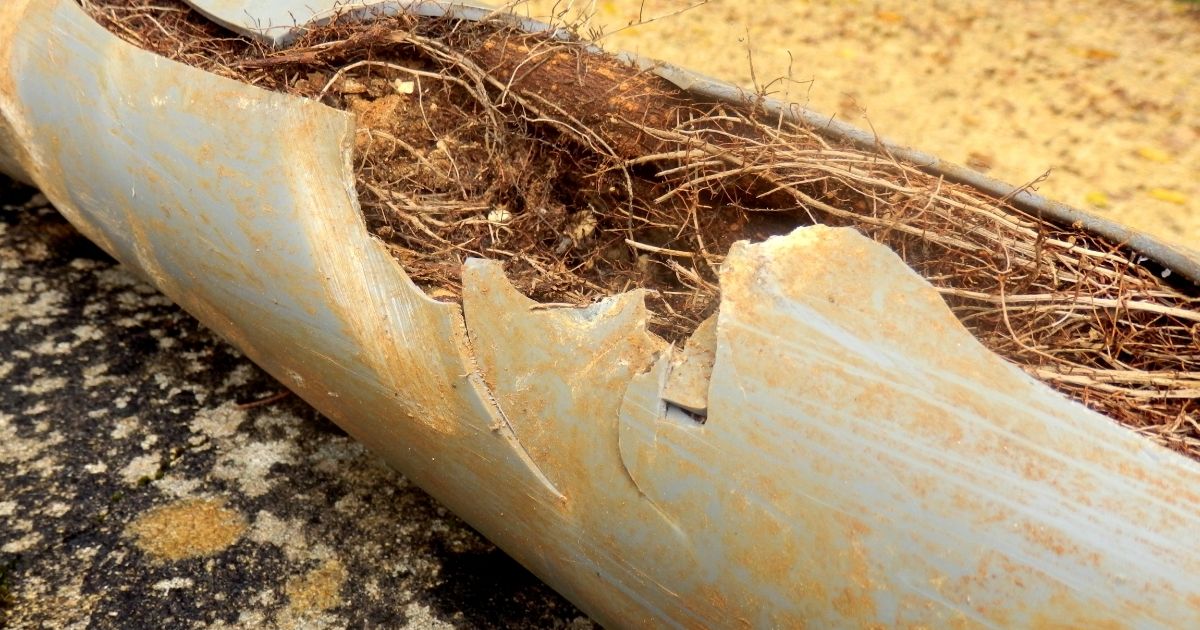
When a sewer pipe cracks, shifts, or collapses, wastewater flow becomes restricted or blocked. Soil may enter the pipe, or tree roots may intrude. Over time, these obstructions can worsen, often resulting in backups and potential mold growth from moisture infiltration.
A partially collapsed pipe can act like a blocked main sewer line, slowing drainage across multiple fixtures. A fully collapsed section can significantly restrict or block wastewater flow, often leading to backups and outdoor symptoms.
Because the pipe is underground, early signs of a broken or collapsed sewer line usually appear inside the home. In more advanced cases, wet soil, soggy areas, or depressions in the yard may develop along the sewer line route.
.jpg)
7 Signs of a Main Sewer Line Broken or Collapsed
1. Multiple Drains Backing Up at Once
If your toilet, shower, and sink begin draining slowly at the same time, the issue likely extends beyond a single fixture. A simultaneous backup usually points to a main sewer line clog rather than a localized blockage.
2. Recurring Clogs That Keep Returning
A clog that clears temporarily but returns weeks later may indicate deeper structural damage. In some cases, what seems like a simple clogged sewer pipe is caused by a cracked or collapsed section catching debris.
3. Sewage Odors Indoors or Outdoors
Persistent sewer odors near drains or in the yard can indicate leakage from a damaged underground pipe. Odors may intensify after heavy water use and suggest a broken pipe releasing sewer gas.
4. Gurgling Toilets or Bubbling Drains
Air trapped in a blocked main sewer line can cause unusual gurgling noises when water drains. Repeated gurgling combined with slow drainage deserves professional evaluation.
5. Wet or Soggy Areas in the Yard
Unexplained damp patches in the yard, even during dry periods, may signal wastewater escaping from a damaged pipe. A professional inspection is essential to confirm the cause.
6. Indentations or Soil Depressions
When a pipe collapses, surrounding soil may shift, causing slight sinkage or uneven areas above the sewer line.
7. Slow Drains Throughout the Entire House
If every drain in the home seems sluggish, a clogged sewer line or structural issue in the main line may be restricting flow. Isolated slow drains usually point to individual fixture issues, not underground sewer damage.
Broken vs. Clogged Sewer Line: What’s the Difference?
Homeowners often ask whether they’re dealing with a simple clog or a more serious structural problem. The table below offers general guidance. A video inspection is the most reliable way to confirm pipe condition.
If the problem is a simple clog, cleaning or minor clearing is usually sufficient. Structural damage, on the other hand, may require targeted repairs or full main sewer line replacement, sometimes using trenchless methods, depending on the pipe condition and location. Professional evaluation is necessary to determine the correct solution.
Common Causes of Sewer Line Collapse in Seattle
Several factors can contribute to underground sewer line damage:
- Aging clay or cast iron pipes
- Tree root intrusion. Roots naturally seek water and nutrients and can infiltrate pipes
- Soil movement or shifting ground over time
- Heavy surface loads above the pipe, such as vehicles or construction
- Long-term corrosion and wear, especially in older pipe materials
These conditions can lead to recurring clogs, backups, or yard wet spots, often the first visible signs of a main sewer line broken underground.
How Long Can a Broken Sewer Line Go Undetected?
Minor cracks may produce subtle symptoms at first, such as occasional slow drainage or mild odors. Over time, debris or soil entering the pipe can worsen the problem. Larger structural failures typically lead to more noticeable backups. Because symptoms often overlap with a standard clog, early inspection helps prevent prolonged uncertainty.
When to Consider Residential Sewer Line Repair
You should schedule professional evaluation if you notice:
- Recurring backups affecting multiple drains
- Standing water or unusual wet spots along the sewer route
- Persistent sewer odors
- A main sewer line clog that returns after clearing
If structural damage is confirmed, main sewer line replacement, including trenchless sewer line replacement where feasible, or targeted repair may be recommended depending on pipe condition, depth, and property layout.
Protect Your Home with Expert Sewer Line Care
Sewer problems rarely fix themselves. A main sewer line broken underground can start with subtle slow drains or minor odors, but left unchecked, it may escalate into repeated backups, yard damage, or costly repairs. Because symptoms often mimic a simple clogged sewer pipe, early inspection is essential.
Aces Four specializes in underground sewer installation for Seattle homes, residential sewer line repair, and main sewer line replacement, including trenchless methods where feasible. We focus on diagnosing and resolving exterior sewer line problems efficiently and responsibly. Contact us for professional evaluation and solutions for your underground sewer system.
FAQs
How often should I inspect my main sewer line?
Even without obvious issues, periodic inspection every few years can catch slow-developing problems like root intrusion or pipe corrosion. Homes with older clay or cast iron pipes in Seattle neighborhoods may benefit from more frequent evaluation.
Can tree roots really damage a sewer line?
Yes. Roots naturally seek water and nutrients. If they reach cracks or joints in the main line, they can gradually infiltrate, causing blockages or structural damage over time.
How do I tell if my sewer line is collapsed?
Signs often include multiple drains backing up at once, persistent slow drainage throughout the home, sewage odors, or wet spots in the yard. A professional video inspection is the most reliable way to confirm whether the pipe has partially or fully collapsed.
What happens if your sewer line collapses?
When a sewer line collapses, wastewater flow becomes restricted or blocked, which can lead to repeated backups and potential property damage. Some sections may require targeted repair or full replacement depending on the extent of the damage.
How do you tell if your sewer line needs to be replaced?
Replacement may be needed if your sewer line is consistently backing up, has recurring clogs, or shows signs of cracks, collapse, or extensive root intrusion. A professional inspection with a camera is necessary to determine if replacement is required.
What is the average lifespan of a sewer line?
Sewer line lifespan varies by material and conditions. Clay and cast iron pipes in older homes may last 50–100 years under ideal conditions, but factors like soil movement, corrosion, and tree roots can shorten that. Regular inspections help monitor aging lines.
Is trenchless repair an option for collapsed sewer lines?
Trenchless methods allow sections of damaged sewer pipe to be replaced or lined without extensive digging. Feasibility depends on pipe condition, location, and depth and should be evaluated by a professional.
What preventive steps can I take for my sewer line?
Maintain tree distances from the sewer route, avoid flushing non-degradable materials, and monitor for recurring slow drains. Regular inspections help detect problems before they escalate.

.svg%20fill.svg)


.svg)
.svg)

.svg)



.svg)