


.svg)
When building or buying a home, many property owners overlook how household wastewater leaves the property. Every flush, shower, and load of laundry must go somewhere—your home will use either a septic system or a municipal sewer connection.
Both systems treat wastewater but operate differently. One requires you to handle regular maintenance and risks of system failure; the other places responsibility on the local government or service provider.
Understanding septic system vs sewer connection key differences, maintenance costs, environmental impact, and long-term commitments of each system helps you avoid surprise repairs and sewage backups, allowing you to choose what fits your lifestyle best.
Here’s a simple breakdown of septic system maintenance vs municipal sewer connection pros and cons.
What’s the Difference Between a Septic System and a City Sewer?
Septic system (Private)
A septic system handles wastewater right in your yard using an underground tank and drain field.
Water flows:
house → tank → drain field → soil
Solid waste stays in the tank, while the rest slowly drains into the ground and gets filtered naturally.
Since it’s on your property, you’re responsible for pumping, inspections, and repairs.
Municipal sewer connection (Public)
A city sewer sends everything away through underground pipes to a municipal treatment plant.
Water flows:
house → city sewer line → treatment plant
The city handles the main sewer line and overall treatment, but homeowners are responsible for the private pipe running from their house to the main line, as well as any blockages or repairs on that section.
Quick Comparison at a Glance
Choosing between septic and sewer mostly comes down to responsibility, cost, and convenience. This quick comparison makes the differences easier to see at a glance.
In short, septic gives you independence but more responsibility. Sewer is easier to manage, but you pay for that convenience every month.
Septic System Maintenance: What Homeowners Should Expect
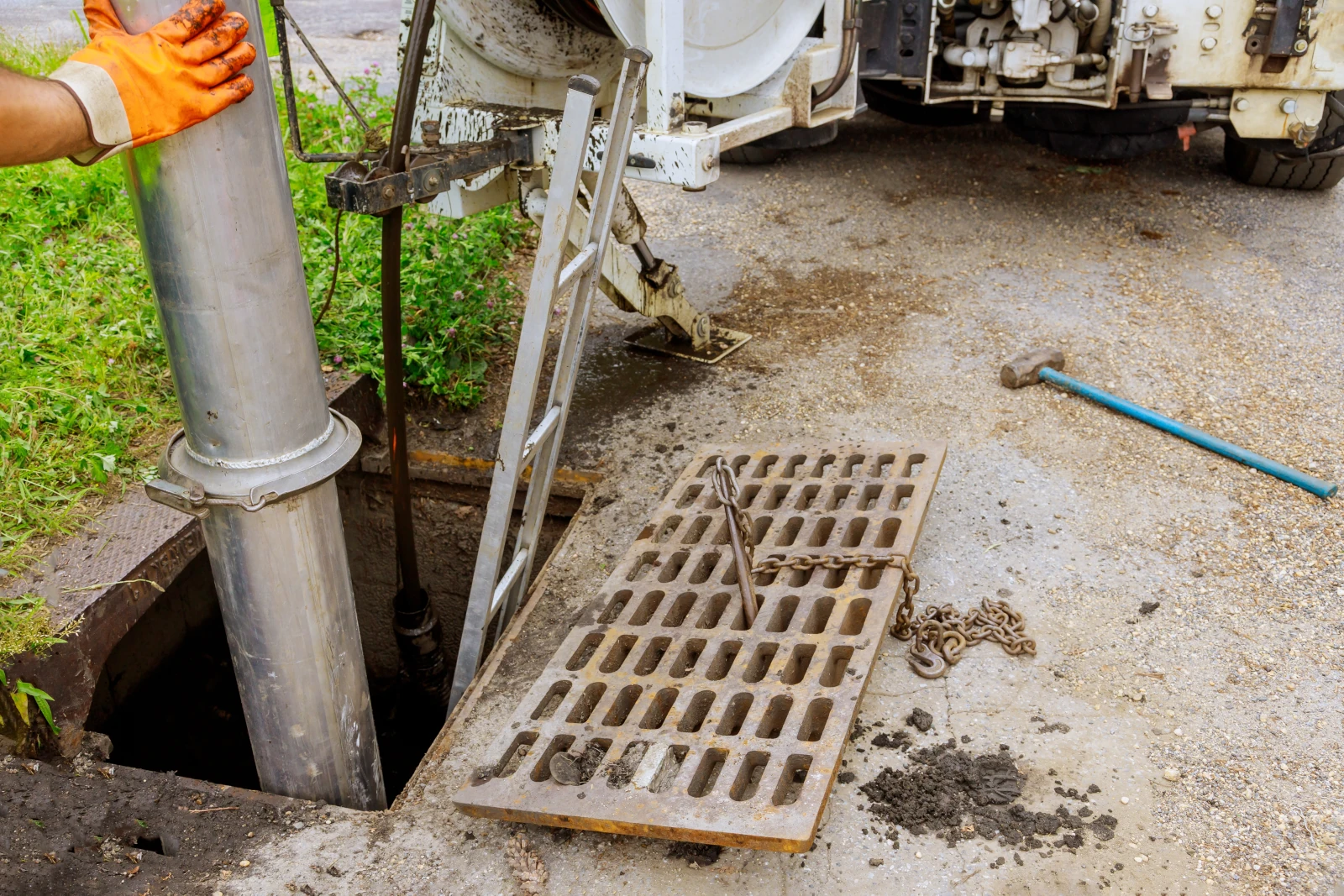
A septic system isn’t something you can ignore. It needs occasional upkeep to prevent backups, bad smells, and expensive repairs down the line.
Most routine maintenance is pretty simple:
- Pump the tank every 3–5 years
- Schedule periodic inspections
- Keep an eye on the drain field for soggy or pooling areas
- Avoid overloading the system by spacing out showers, laundry, and dishwashing
- Skip grease, wipes, and harsh chemicals that can cause clogs
Most septic problems are caused by neglect, though issues can also arise from age or installation problems. With regular maintenance and suitable soil conditions, septic systems can last 20–40 years, though lifespan may vary depending on system type and usage.
How Often Are Septic Tanks Pumped?
Most homes need their septic tank pumped every three to five years, though timing varies based on household size, tank capacity, and daily water use. A bigger family typically fills the tank faster, while smaller households can sometimes go longer between services.
Wait too long, and you might notice slow drains, unpleasant yard smells, or even messy backups that can damage the drain field. Scheduling pumping before problems show up is almost always cheaper and far less stressful than dealing with repairs.
How Much Does It Cost to Pump a Septic System?
Septic pumping cost depend on where you live and the size of your tank, but most homeowners pay a few hundred dollars per visit. Larger tanks, hard-to-reach lids, or extra inspection work can bump the price up slightly.
It’s still a planned, predictable expense and far cheaper than dealing with an overflow or emergency repair.
Septic Tank Inspection: Why It Matters
Inspections catch small problems early, before they turn into messy or expensive fixes. A technician will usually check the tank’s condition, look for leaks or cracks, and make sure the drain field is draining properly.
If you’re buying or selling a home, an inspection is especially important. It gives you a clear picture of the system’s health and helps avoid surprises after closing.
Septic System Cost: Installation and Long-Term Expenses
Installing a septic system comes with upfront costs like the tank itself, excavation, permits, and setting up the drain field. Depending on the property and soil conditions, it can feel like a big initial investment.
The trade-off is that you won’t have a monthly sewer bill. After it’s in place, your main expenses are occasional pumping, inspections, and the rare repair if something wears out. Over time, many homeowners find those periodic costs easier to manage than paying sewer fees every month.
Sewer Connection: What to Expect
With a city sewer connection, the city handles most of the work. There’s no tank to pump and very little routine maintenance on your end, which makes it a lot more hands-off. This makes it a much more hands-off option for homeowners.
You’re still responsible for the private lateral line that runs from your house to the main sewer. Roots, debris, or older pipes can occasionally cause blockages, but keeping drains clear and avoiding flushing grease or wipes usually prevents problems.
Your costs generally include:
- Monthly sewer fees, usually $50–$150 depending on location and water usage
- A one-time connection or tap fee
- Possible trenching if connecting later or upgrading old lines
For many homeowners, the convenience and predictability of city sewer fees outweigh these occasional responsibilities.
Connecting to City Sewer: Installation Differences
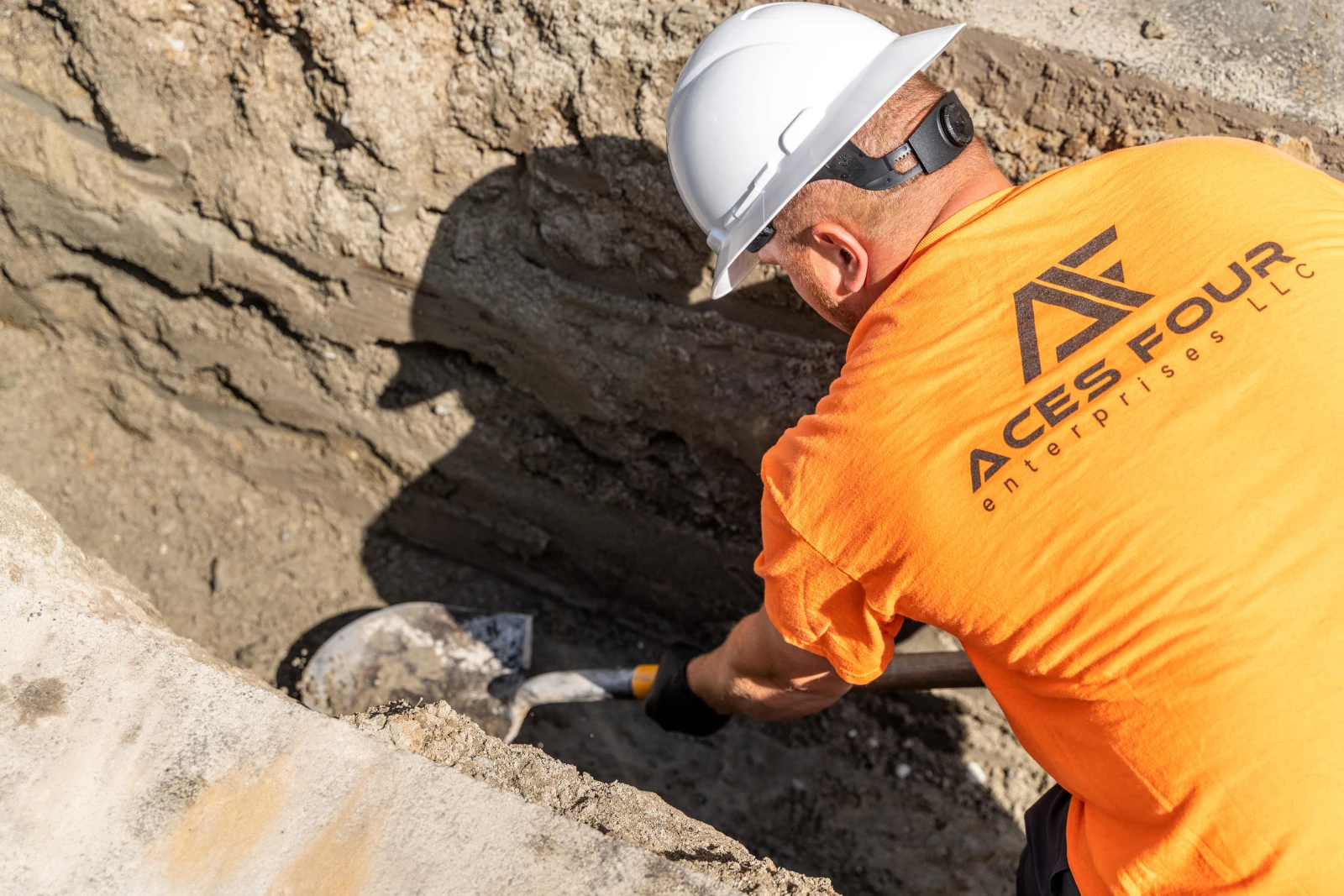
If city sewer lines are available and you’re switching from septic, the job usually involves running a new underground line from your home to the main sewer and decommissioning or removing the old tank. Depending on the property, this can mean digging a trench or using trenchless methods to limit disruption to your yard.
When installed properly, a sewer connection generally runs smoothly and help prevent future issues like slow drains or backups.
Septic System vs Public Sewer: Pros and Cons
Deciding how your home handles wastewater is more than just picking a pipe. Your choice affects your monthly costs, the amount of maintenance you’ll handle, and how convenient day-to-day life will be. Let’s break down the key differences between septic systems and city sewer connections so you know what to expect.
Septic System: Pros
- No monthly sewer bill
- Can last 20–40 years or more with proper care
- Works anywhere, even in rural areas without city lines
- Gives you control over your own system
Septic System: Cons
- You need to schedule regular pumping and inspections
- Upkeep and repairs are your responsibility
- Fixing major problems can get expensive
- Requires enough yard space for a drain field
City Sewer: Pros
- Little to no maintenance for you
- No pumping or tank inspections needed
- Convenient and predictable with a monthly fee
- Perfect for urban neighborhoods with existing sewer lines
City Sewer: Cons
- Monthly fees and possible connection charges
- Not always available in rural areas
- You’re responsible for the line from your house to the main
- Rarely, city infrastructure problems can cause backups
Which Option Costs Less Over Time?
There’s no one-size-fits-all answer. It really depends on your home, location, and how involved you want to be.
Septic might save you money if you live in a rural area without city sewer lines, plan to stay in your home long-term, and don’t mind scheduling occasional pumping and inspections.
City sewer could be cheaper if septic system maintenance service feels like a hassle, you prefer a hands-off system, or you’re already in an area with existing municipal lines. It can also make sense if fixing an old septic system would be risky or expensive.
At the end of the day, it’s less about which system is “better” and more about what fits your lifestyle, budget, and property.
Final Flush: Choosing What Works for Your Home
Both septic and city sewer systems can be reliable when installed and maintained properly. The right choice depends on your property, budget, and how hands-on you want to be.
If you don’t mind scheduling pumping and inspections, a septic system can be cost-effective over time. If you’d rather skip maintenance altogether, a city sewer connection provides convenience and peace of mind.
Planning ahead and understanding the trade-offs will help you avoid most wastewater headaches.
If you’re in Seattle and need help with professional sewer repair or waterline work, Aces Four is here to assist. We specialize in underground sewer and line services, helping your home run smoothly so you don’t have to stress over backups or slow drains.
FAQs
1. What’s the difference between a septic tank system and a municipal sewer system?
A septic tank treats wastewater on your property using a tank and drain field. A city sewer sends everything offsite to a municipal treatment plant. With septic, you handle maintenance; with sewer, the city does.
2. How often are septic tanks pumped?
Most homes need pumping every 3–5 years. Bigger families or smaller tanks may need it more often. Regular pumping prevents backups and slow drains.
3. How much does it cost to pump a septic system?
It usually costs a few hundred dollars per visit, depending on tank size and location. Extra factors like access difficulty or added inspections can raise the price.
4. Do sewer connections require maintenance?
Homeowners are responsible for the private line that runs from their house to the main sewer; the city maintains the main lines. Keeping it clear prevents backups.
5. Is septic cheaper than sewer?
Septic has no monthly fees but requires occasional pumping and inspections. Sewer charges a monthly fee but needs little upkeep. Which is cheaper depends on your home and lifestyle.
6. Can I switch from septic to city sewer?
Yes, if sewer lines are available nearby. It involves connecting your home to the main and decommissioning the old tank. Professionals like Aces Four handle this safely.
7. How long do septic systems last?
With proper care, most systems last 20–40 years. Regular pumping and inspections keep them running longer. Neglect is the main reason they fail.
8. Who handles underground sewer or exterior line work?
Contractors like Aces Four handle exterior sewer and underground lines. They don’t cover inside-the-house plumbing like drains or faucets.

.svg%20fill.svg)


.svg)
.svg)

.svg)



.svg)