


.svg)
In Seattle, the side sewer connecting your future home to the city main becomes your responsibility the moment you close. Most buyers never think about it until something backs up. A sewer scope before buying home is the only way to know what condition that line is really in before you sign anything. At Aces Four, we get calls from both buyers and realtors who want answers before closing day, not after. This guide covers what a pre-purchase sewer inspection finds, what it costs, and what to do if it turns up a problem.
Does Home Inspection Include Sewer Scope?
No, a standard home inspection does not cover underground sewer lines. Home inspectors check visible systems like the roof, electrical, and plumbing fixtures inside the house, but they generally do not run a camera through your sewer pipes.
So does home inspection include sewer scope automatically? In most cases, no. A sewer scope home inspection add on is a separate, specialized inspection that has to be requested and scheduled on its own, usually through a sewer contractor rather than the general home inspector.
This distinction catches a lot of buyers off guard. Many assume their inspector already checked the sewer line simply because the report looked thorough, when in reality the underground pipe was never part of the scope at all.
Why You Need a Sewer Scope Before Buying a Home in Seattle
A sewer scope before buying home matters because sewer line problems are invisible until they are expensive. Homes over 20 years old often need sewer inspections, and much of Seattle's housing stock falls well past that mark.
Realtors representing buyers on older properties are increasingly recommending a real estate sewer line inspection alongside the standard home inspection. It protects the buyer from a nasty surprise and protects the realtor from a client who feels blindsided after closing.
💡 Pro Tip: Ask your realtor to write the sewer scope inspection into your offer as a contingency. That way you have room to negotiate if something turns up.
A sewer scope before buying home is especially worth prioritizing in neighborhoods with mature trees, since tree root intrusion is one of the most common reasons sewer lines fail early. Buyers who skip this step in a competitive market are the ones most likely to face an expensive surprise a few months after moving in.
Standard Home Inspection vs Sewer Scope Inspection: What Is the Difference?
A standard home inspection and a sewer scope home inspection cover completely different territory. One looks at what you can see. The other looks at what you cannot.
Home inspection sewer scope add ons are becoming more common in Seattle, since so many buyers are purchasing homes with original clay or aging cast iron sewer pipes.
A home inspection sewer scope add on is not a replacement for the standard inspection either. Think of it as a specialized add on that covers exactly the one system a general inspector cannot evaluate without special equipment.

What Happens During a Pre-Purchase Sewer Inspection
A pre-purchase sewer inspection follows a straightforward process, and knowing the steps helps you understand what you are paying for.
- Access point. The inspector locates the home's cleanout or another drain access point to insert the camera.
- Camera insertion. A flexible, waterproof borescope camera is fed into the main drain line and sewer pipe.
- Live inspection. The camera transmits real time footage while the inspector looks for clogs, cracks, and tree root intrusion.
- Documentation. The inspector records video and prepares a detailed report of what was found.
- Review. You receive the report, often the same day, so you can decide on next steps before closing.
💡 Pro Tip: Ask for a copy of the video footage, not just the written report. It gives you and any contractor a clear reference if repairs come up later.
At Aces Four, most pre-purchase sewer inspections are scheduled and completed within a day or two, which fits most Seattle closing timelines without extra stress.
That turnaround matters more than it might seem. Real estate deals move fast, and a home inspection sewer scope add on that takes a week to schedule can put your closing date at risk. A contractor who understands real estate timelines is worth choosing over one that treats every job the same.
What Seattle's Older Homes Often Hide Underground
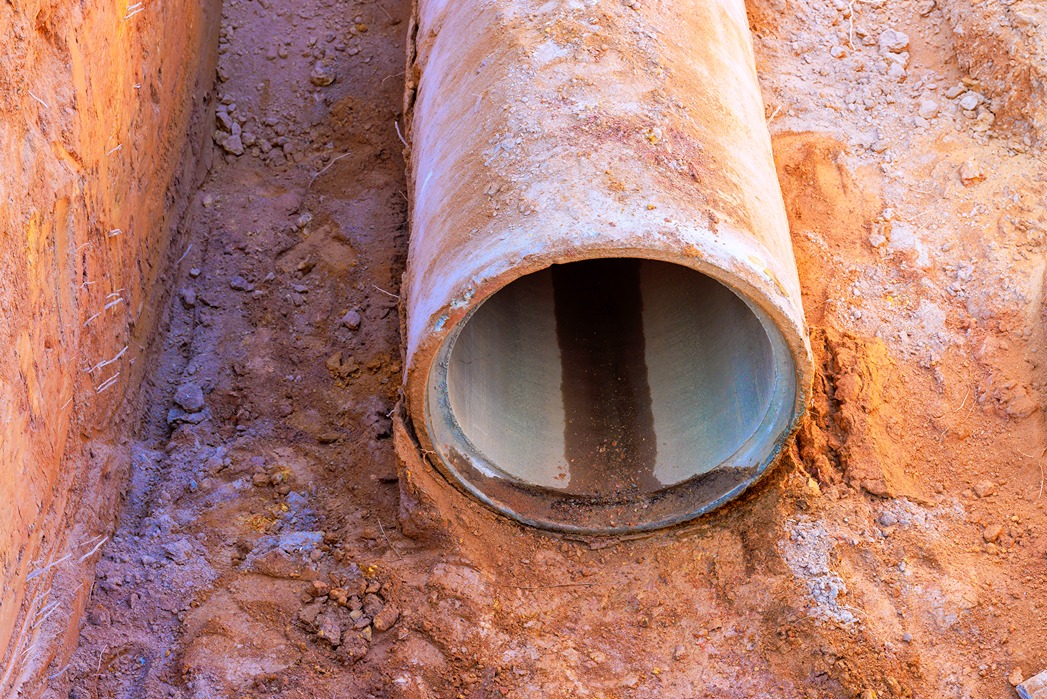
Seattle has a lot of housing stock built before modern sewer materials became standard, and that history shows up underground. Clay pipe, orangeburg pipe, and even old Transite pipe are still common in older neighborhoods.
These older pipe materials are more prone to cracking, corrosion, and tree root intrusion than modern PVC. Large trees near the property, shifting soil, and decades of use all add up. A sewer scope inspection is often the only way to confirm which material is actually in the ground, since sellers rarely know for certain.
Orangeburg pipe in particular has a reputation for failing without much warning, since it is made from compressed wood fiber and tar rather than modern plastic or clay. Transite pipe, which contains cement and asbestos fibers, brings its own handling considerations if it ever needs repair or replacement. Neither material shows up on a visual walkthrough of the house, which is exactly why a camera inspection matters so much for older Seattle properties.
Warning Signs You Need a Sewer Scope Inspection Before Closing
A few warning signs make a sewer scope inspection worth prioritizing before you close on an older home. None of these guarantee a problem, but any one of them is a good reason to ask questions before you sign.
- Frequent backups in drains or toilets throughout the house
- Unpleasant odors near drains that come and go
- Slow drains in multiple fixtures at once
- Lush, unusually green patches in the yard above the sewer line
- Visible cracks or leaks near the foundation or crawl space
- A home older than 20 years with no recent sewer inspection on record
If the seller cannot produce a recent inspection report for a home matching any of these signs, that alone is reason enough to schedule your own before closing.
How Much Does a Sewer Scope Inspection Cost?
A sewer scope inspection cost typically runs between 125 and 500 dollars, depending on pipe length and access. That is a small number compared to what an undiagnosed problem can cost after you move in.
Homeowners insurance typically does not cover sewer repairs caused by age or root intrusion, which is exactly why catching problems before closing matters so much. Ready to schedule your own inspection before your closing date? Request your estimate and we will get you on the schedule quickly.
Think of the inspection fee as insurance against the unknown. Even in the rare case where the line checks out perfectly, you close with real confidence instead of a guess, and that peace of mind is worth something on its own.
What to Negotiate If Sewer Problems Turn Up
Finding a problem does not mean you have to walk away from the house. It usually means you have room to negotiate.
- Request repairs before closing as a condition of the sale
- Ask the seller for a credit toward future sewer repairs
- Negotiate a reduced purchase price based on repair estimates
- Get a written quote from a licensed sewer repair company first
- Confirm who is responsible for the line from the property line to the city connection
A failed sewer inspection can provide real negotiation leverage, especially in a market where buyers have more information than sellers expect. Our sewer repair team can provide a written estimate you can bring straight into negotiations.
Is a Failed Sewer Scope a Deal Breaker?
Not usually. A failed sewer scope inspection is a negotiating tool, not automatically a reason to cancel the purchase.
Most sewer line issues, from root intrusion to minor cracks, are repairable. The bigger risk is not knowing about them at all. Buyers who skip the inspection and move in blind are the ones who end up facing a surprise five figure repair bill with no leverage left to negotiate.
A sewer scope before buying home simply moves the discovery earlier, back into the negotiation window where it still has value. Finding the same problem six months after closing leaves you with the bill and no one left to negotiate with.
Buying an Old House in Seattle? Know Your Sewer Line Risks
Buying an old house in Seattle sewer line risks are real, but they are manageable with the right information upfront. Sewer line maintenance responsibility varies by municipality and often ends at the property line, meaning the line under your new yard is yours to maintain the day you close.
You can see examples of completed sewer line repairs in our project gallery, many of which started with exactly this kind of pre-purchase discovery. Knowing sewer line conditions before you buy can prevent overpaying for a home that needs tens of thousands in hidden work.
A real estate sewer line inspection is a small line item compared to the total cost of buying a home, yet it carries outsized weight in protecting your investment. Skipping it to save a few hundred dollars rarely looks like a good decision a year later.
For Realtors: Why Recommend a Sewer Scope Home Inspection
Realtors who routinely recommend a sewer scope home inspection tend to close deals with fewer post sale disputes. It is a small step that protects both sides of the transaction.
A real estate sewer line inspection gives buyers confidence and gives sellers a clear record if a dispute ever comes up later. Recommending this step early in the home buying process, right alongside the standard home inspection, helps avoid last minute scrambling close to closing day.
Aces Four works directly with real estate agents across Seattle and Bothell who want fast turnaround for their clients. A same week inspection report can be the difference between a deal that closes smoothly and one that falls apart over an unanswered question.
If you represent buyers across Seattle and Bothell, reach out to our team to discuss how we handle real estate timelines — we're set up to work directly with agents who need reliable turnaround.
Conclusion
A sewer scope before buying home is one of the simplest ways to avoid an expensive surprise after closing. For a few hundred dollars, you get a clear picture of what is happening underground instead of a guess. Realtors and buyers across Seattle are increasingly building this step into the home buying process, and for good reason. If you want a fast, reliable inspection before your closing date, contact our team and we will help you get answers in time to negotiate with confidence.
FAQs
Is a sewer scope automatically part of a standard home inspection?
No, standard home inspections generally do not include a sewer scope. You typically need to request and schedule it separately with a qualified inspector or sewer contractor.
How long does a sewer scope inspection take?
Most sewer scope inspections take between 30 and 60 minutes from setup to completion. The camera portion of the inspection itself is often much shorter than that.
What are the biggest sewer line risks in older Seattle homes?
Older Seattle homes may still have clay, orangeburg, or aging cast iron sewer pipes prone to cracking and root intrusion. A sewer scope inspection is the most reliable way to confirm the pipe material and its condition.
Can I negotiate repairs if a sewer scope inspection finds a problem?
Yes, many buyers request repairs, a credit, or a reduced price after a failed sewer scope inspection. Getting a written repair estimate strengthens your negotiating position.
Does homeowners insurance cover sewer line repairs?
Homeowners insurance typically does not cover sewer repairs caused by age, wear, or root intrusion. This is one more reason to know the condition of the line before you buy.
Who is responsible for the sewer line after closing?
Sewer line maintenance responsibility varies by municipality, but it often falls on the homeowner from the house to the city connection. Confirming this with your local municipality before closing is always a good idea.

.svg%20fill.svg)



.svg)
.svg)

.svg)

.svg)