


.svg)
What Is a Sewage Ejector Pump and Why Does Installation Cost Matter?
A sewage ejector pump (also called a sewage pump or ejector pump) is a submersible pump installed in a sealed basin below the floor level. Its job is to pump solid waste, toilet paper, and wastewater up and into the main sewer line or septic system when gravity cannot do the work on its own.
Unlike a standard sump pump, which only handles groundwater, a sewage ejector handles raw sewage from toilets, washing machines, and floor drains. This distinction matters enormously when calculating installation cost, because the regulatory requirements, tank specifications, and pump capacity are all more stringent.
The ejector pump installation cost is not just about the hardware. It includes the basin, the float switch, the check valve, the vent line, and the labor involved in connecting everything to your existing drain lines and sewer system correctly.
💡 Pro Tip: Always verify local plumbing code requirements before starting any ejector pump installation. Improper venting or a missing check valve can lead to sewage backups into your living space and code violations that require full reinstallation at your cost.
Sewage Ejector Pump Installation Cost: What to Expect in 2026
The sewer ejector pump installation cost in 2026 varies widely based on your location, the complexity of your plumbing system, and whether you hire a professional plumber or tackle it yourself.
The DIY vs professional sewer pump installation cost 2026 comparison shows that while DIY may save upfront expenses, professional installation offers greater reliability and compliance. Here is a clear breakdown of what you are generally looking at.
Professional sewage ejector pump installation cost is generally higher at the outset. However, when you account for the cost of correcting an incorrect installation, the repair costs from sewage backups, and the ongoing costs of a pump that was not sized to the appropriate capacity, the professional route often delivers superior long-term value.
What Are the Biggest Cost Drivers for Sewage Ejector Pump Installation?
Several factors determine where your sewage ejector pump installation cost lands within the normal range. Understanding these up front allows you to plan accurately and avoid costly surprises.
1. Pump Type and Capacity: Cast iron pumps are significantly more durable than plastic pumps but come at a higher unit cost. A pump's capacity, measured in gallons per hour (GPH), must match the maximum flow rate of all connected plumbing fixtures, including toilets, washing machines, and floor drains. Undersized pump capacity is one of the most common and costly DIY mistakes.
2. Installation Complexity: Running new drain lines through finished walls or concrete slabs adds substantially to labor costs. A basement bathroom in an unfinished space is far simpler to service than one embedded in a luxury renovation with in-slab plumbing.
3. Distance to the Main Sewer Line: The further the pump must push waste to reach the municipal sewer line or septic tank, the more powerful the ejector pump must be, and the higher the installation cost.
4. Basin and Venting Requirements: A properly sealed basin with a dedicated vent line is code-required in most jurisdictions. This venting prevents sewer gases from entering the living space. Improper venting is a leading source of failed inspections and costly repairs.
5. Existing Plumbing System Condition: If a plumber needs to modify or repair existing drain lines before installing the new ejector pump, that adds to labor costs. An old pump that has been leaking may also contaminate surrounding materials, requiring remediation.
💡 Pro Tip: Have a qualified plumber inspect your entire ejector pump system, including the float switch and check valve, before purchasing equipment. You may discover that ejector pump replacement rather than full installation is the right scope, which reduces overall cost significantly.
What Does Professional Sewage Ejector Pump Installation Cost Actually Include?
When you hire a qualified plumber for ejector pump installation, you are not simply paying for labor. Professional installation covers a precise scope of work that protects your plumbing system, satisfies local code, and prevents the costly errors that come with improper setup.
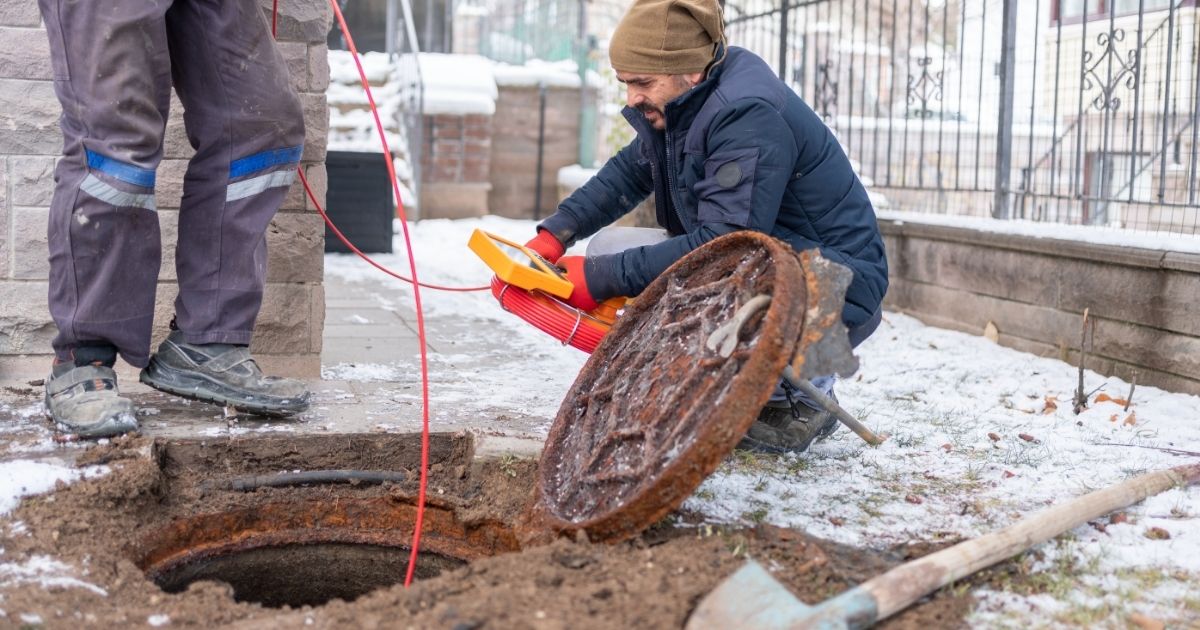
A licensed professional will assess the correct pump size and capacity for your connected plumbing fixtures. They will excavate and set the sealed sewage basin at the correct depth, then install the ejector pump with a properly wired float switch. A check valve is fitted on the discharge line to prevent backflow, and a dedicated vent line is run to the exterior of the building.
They will also connect all drain lines from the basement bathroom or laundry room, pull the required permits, and conduct a full system test before sign-off.
This end-to-end process is what separates a code-compliant, warrantied installation from a DIY setup that may pass a visual check but fail under real operating conditions. For high-value properties, the professional scope is not an upgrade. It is the baseline standard.
💡 Pro Tip: Before work begins, ask your plumber to walk you through the installation checklist in plain language. A qualified professional will have no hesitation explaining every step, from basin depth to vent routing, and that transparency is itself a mark of expertise.

DIY vs Professional Sewage Ejector Pump Installation: Which Is Better?
The decision between DIY installation and professional installation comes down to three factors: technical complexity, risk tolerance, and the long-term value of the property being served. Here is a direct comparison.
Professional plumbers bring permit knowledge, sizing expertise, and liability coverage that DIY cannot replicate. For estate-scale renovations, ski-in properties, or any home where a sewage backup would cause catastrophic damage to finished interiors, the sewage ejector pump installation cost of a professional engagement is an investment in asset protection, not merely a service fee.
💡 Pro Tip: If you pursue DIY installation, consult your local plumber for a system design review before purchasing equipment. A one-hour consultation can prevent thousands of dollars in errors related to pump sizing, basin depth, and vent routing.
Choosing the Right Ejector Pump for Your System
Not all ejector pumps are suited to every application. Selecting the wrong pump type or capacity is one of the biggest cost drivers when installations fail prematurely.
Cast Iron vs Plastic Pumps
Cast iron pumps offer significantly greater durability and heat dissipation compared to plastic pumps. In high-use environments such as properties with multiple bathrooms or commercial-adjacent applications, cast iron is the standard specification. Plastic pumps are acceptable for low-demand secondary systems but should not be used as the primary pump in a full residential sewage system.
Grinder Pump vs Standard Ejector Pump
A grinder pump uses a cutting mechanism to reduce solid waste before discharge, allowing it to push waste through smaller diameter pipes over longer distances to the municipal sewer line. Standard ejector pumps rely on a centrifugal impeller and require larger diameter discharge lines. Grinder pumps typically carry a higher sewage ejector pump cost but are essential where the sewer line is significantly uphill from the pump location.
Backup Pump Considerations
For any property where a sewage backup would cause significant interior damage, installing a backup pump alongside the primary ejector pump is a sound risk mitigation measure. A backup pump activates automatically in the event of primary pump failure or power outages, preventing raw sewage from flooding the basement bathroom or laundry room.
💡 Pro Tip: For properties in mountain or high-altitude locations where power outages are frequent, specify a backup pump with battery or generator integration as part of the ejector pump system design. This single addition can prevent tens of thousands of dollars in damage from a single pump failure event.
How to Reduce Your Sewage Ejector Pump Installation Cost Without Cutting Corners
Smart planning, not corner-cutting, is the path to a cost-effective installation. Here are verified strategies that reduce sewage ejector pump installation cost while protecting installation quality.
- Obtain multiple free quotes from licensed local plumbing companies before committing to any contractor. The normal range of quotes can vary significantly across providers.
- Confirm whether permit fees are included in the quoted price. Some plumbing companies quote labor and materials only, with permits billed separately.
- Bundle related work where possible. If you are already having a plumber on site for drain line work, schedule the ejector pump installation in the same visit to consolidate mobilization costs.
- Choose a pump with appropriate capacity for your current and anticipated future fixture load. Oversizing adds unnecessary cost; undersizing leads to premature failure and replacement.
- Schedule installation during non-peak seasons. Plumbing labor rates in some markets vary by demand, and booking during slower periods may yield lower labor costs.
- Invest in regular maintenance including annual inspections, float switch testing, and tank cleaning. Preventing failures is always less expensive than managing repair costs after a sewage backup.
Ongoing Costs: Maintenance, Repairs, and Ejector Pump Replacement
The sewage ejector pump installation cost is a one-time investment, but the ongoing costs of operating a sewage system require planning.
A well-maintained ejector pump system can operate reliably for many years. The float switch and check valve are the components most likely to need periodic replacement, and both are relatively low-cost items. The basin itself, if properly sealed, requires occasional inspection and tank cleaning to prevent solids accumulation that can stress the pump's capacity.
When should you consider ejector pump replacement rather than repair? If your existing pump is cycling more frequently than its design specification, producing unusual sounds, or failing to clear waste efficiently, these are strong indicators that a new ejector pump is warranted. Attempting to extend the life of a failing pump through repeated repairs typically costs more than a planned replacement.
Repair costs for a damaged sewer line connected to the ejector pump system can be substantial, particularly when the line runs beneath a finished floor. Preventive maintenance, including annual inspections by a local plumber, is the most reliable way to identify and address developing issues before they become emergency expenditures.

Conclusion: Make the Right Call on Sewage Ejector Pump Installation Cost
The sewage ejector pump installation cost is one of the most consequential decisions in any below-grade plumbing project. Professional installation consistently outperforms DIY in code compliance, long-term reliability, and asset protection, particularly in complex or high-value properties where sewage backups carry catastrophic consequences.
For straightforward applications, a capable DIYer can manage the installation with proper permits and careful adherence to local code. For any project involving multiple bathrooms, finished interiors, or elevated risk, the investment in professional sewage ejector pump installation is the only defensible standard.
Ready to make the right call for your property? Contact our team for a professional assessment and free consultation on your ejector pump installation.
FAQs
How much does sewage ejector pump installation cost on average in 2026?
The sewage ejector pump installation cost varies based on location, pump type, and installation complexity. Professional installation costs more upfront, while DIY carries a lower direct spend but a higher risk of costly errors. Requesting free quotes from multiple licensed plumbing companies is the most reliable way to identify the normal range for your market.
Can I install a sewage ejector pump myself?
DIY ejector pump installation is possible in simple, unfinished basement setups where sewer access is straightforward. It requires a permit, correct pump sizing, code-compliant venting, and proper float switch and check valve installation. Any error in these areas can result in sewage backups and repair costs that far exceed the original labor savings.
What is the difference between a sewage ejector pump and a sump pump?
A sump pump handles clean groundwater only and is not designed for raw sewage or solid waste. A sewage ejector pump is built specifically to move waste from toilets, washing machines, and floor drains upward to the main sewer line. Using a sump pump in a sewage application will cause rapid failure and create a serious health hazard.
How long does a sewage ejector pump typically last?
A properly installed and regularly maintained ejector pump can operate reliably for many years under normal residential use. Cast iron pumps generally outlast plastic pumps in high-demand applications. Longevity depends on correct sizing, installation quality, and a consistent maintenance schedule covering the float switch, check valve, and basin.
What causes a sewage ejector pump to fail prematurely?
The most common causes are incorrect installation, undersized pump capacity, and flushing non-degradable materials such as wet wipes into the system. Power outages without a backup pump can also trigger sewage backups that damage the pump and surrounding plumbing. Regular maintenance and correct initial sizing are the most effective preventive measures.
Does my basement bathroom need a sewage ejector pump?
Any plumbing fixture positioned below the level of the main sewer line or septic system requires an ejector pump to move waste upward to the local sewer system. This includes basement bathrooms, laundry rooms, and bar sinks. A qualified plumber can confirm whether an ejector pump is required and what capacity suits your specific setup.
What is the cost difference between a grinder pump and a standard ejector pump?
Grinder pumps carry a higher upfront sewage ejector pump cost due to their cutting mechanism and higher-grade construction. In applications where the sewer line sits significantly uphill or where smaller discharge pipe is required, a grinder pump is the only viable option. The additional sewer ejector pump installation cost in those scenarios is not optional; it is a technical necessity.

.svg%20fill.svg)


.svg)
.svg)

.svg)


.svg)