


.svg)
What a Sewage Grinder Pump Is and When You Need One
Before learning how to install a sewage grinder pump, it’s crucial to understand its purpose and when it’s needed. A sewage grinder pump is a submersible unit inside an underground fiberglass tank that collects household wastewater, grinds solid waste into a fine slurry with cutter blades, and pumps it through small-diameter pipes to a septic tank or central sewer system. Unlike gravity-based systems, it moves sewage horizontally and uphill efficiently, which is essential where gravity alone can’t do the job.
Grinder pumps differ from sewage ejector pumps, which move solids without grinding and work only over short distances with larger pipes. You need a grinder pump if your home sits below the main sewer line, has basement plumbing, or is far from sewer connections. While DIY installation is possible elsewhere, King County requires licensed contractors for side sewer connections and all electrical work to ensure safety and code compliance.
So, how do you know if a grinder pump is right for your property? The clearest signal is a licensed plumber confirms that your drain lines cannot flow downhill by gravity to reach the public sewer.
💡 Pro Tip: Before purchasing any equipment, request a professional site evaluation. King County terrain varies considerably, and what works on one lot may not suit the next.
.png)
Grinder Pump vs Sewage Ejector Pump: Which One Does King County Require?
When planning how to install a grinder pump versus a sewage ejector pump, the decision comes down to your sewer system type and how far the waste needs to travel. A grinder pump uses cutter blades and a motor-driven grinding mechanism to reduce all solids into a very fine slurry, making it ideal for pressurized sewer systems with small-diameter pipes. A sewage ejector pump moves raw sewage upward without grinding it, which limits it to short distances and requires larger pipes.
King County properties connected to a low-pressure sewer system will almost always require grinder pumps over standard ejector units. The pressurized sewer main infrastructure in these zones is engineered for the consistent flow and head pressure that grinder pumps deliver. Using an undersized or incorrect unit can reduce efficiency, cause clogs, and result in an expensive service call or early replacement.
How to Install a Sewage Grinder Pump: Step-by-Step Process for King County
This installation process applies to a single-family residential home connecting to a King County pressurized sewer system. Every step must be completed in sequence. Read the manufacturer's instructions carefully before beginning, as pump specifications vary between units.
Step 1: Site Assessment and System Design
A licensed contractor evaluates the vertical distance from your fixtures to the sewer main, the horizontal run of the discharge line, head pressure requirements, and local soil conditions. This determines the pump capacity, motor size, and force main pipe sizing needed for your property.
Step 2: Secure All Required Permits
Submit your plumbing permit application to the Public Health Permit Center. Apply for your side sewer permit and right-of-way permit at the same time. Sign the Grinder Pump Service Agreement with your sewer utility before any work begins. No trenching or excavation should start until permits are in hand.
Step 3: Excavate the Basin Location
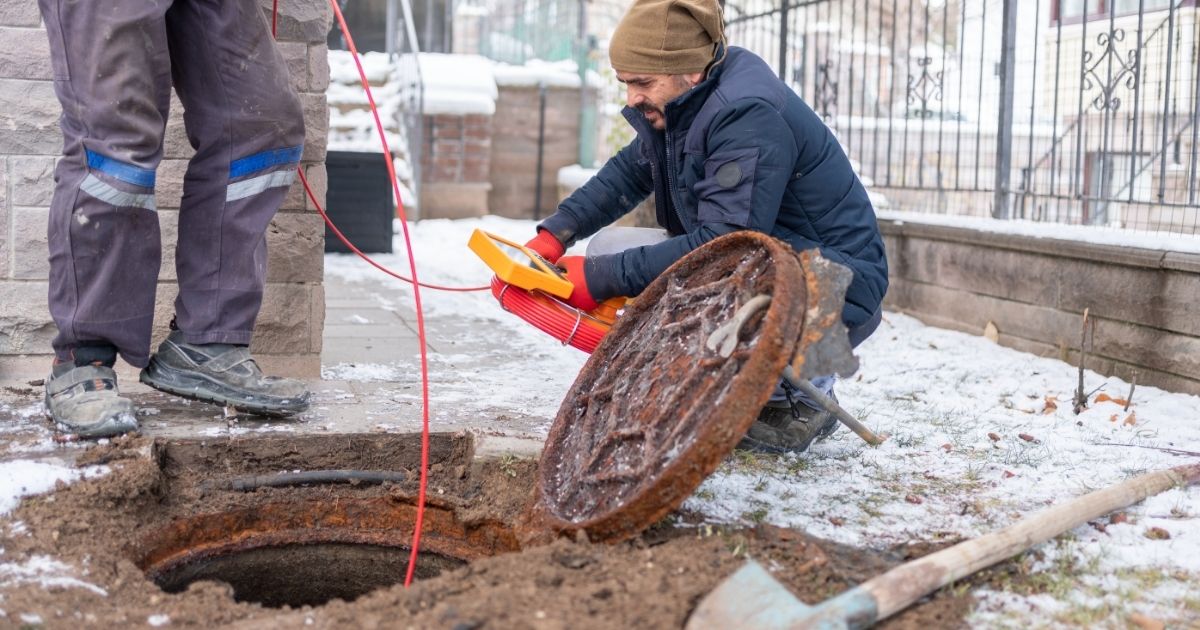
Your contractor excavates the pit where the fiberglass tank will sit. This underground tank is typically placed near the home's lowest drain point. Depth is determined by your frost line and discharge pipe routing. Proper depth is critical because a tank installed too shallow can experience freezing, debris intrusion, and motor damage.
Step 4: Set the Grinder Pump Station
The fiberglass tank is lowered into the pit and leveled. The grinder pump unit is placed inside and connected to the incoming drain lines from the house. All interior connections, valves, and seals are installed and tested before proceeding. Check for leaks at every joint before backfilling.
Step 5: Install the Force Main Discharge Line
The discharge pipe is typically installed 18 to 24 inches below grade on private property, and at least 4 feet deep within the street right-of-way, depending on local code requirements. Directional boring is used in some cases to avoid surface disruption over driveways or landscaped areas. This line connects to the pressurized sewer main at the collector valve box. Proper pipe flow and valves must be verified before the line is buried.
Step 6: Complete the Electrical Work and Install the Control Panel
The control panel is mounted at or above ground level and genrally wired to a dedicated 220 to 230-volt circuit. All wiring must be installed per code and protected from moisture. The audible alarm and red warning light are positioned where they are clearly visible. Washington State Labor and Industries must inspect this electrical work before the system can operate.
Step 7: Conduct Pressure Testing
The side sewer is pressure-tested at 50 psig with zero allowable leakage. No backfill takes place until the contractor and the sewer district have reviewed and approved all test results. This step protects against future leaks and ensures the system is working properly before it is buried.
Step 8: Final Inspections and Backfill
Once all inspections are passed, the trench is backfilled and compacted. Bedding material is placed per district specifications beneath the pipe to protect structural integrity and ensure long-term proper operation.
Step 9: System Commissioning
The pump is activated and tested under live load. The grinder, motor, valves, and control panel are all verified. The audible alarm and red light are tested to confirm they trigger correctly at the designated wastewater level. The property owner receives all documentation, the service agreement, and a maintenance schedule with the manufacturer's instructions.
💡 Pro Tip: Request a written commissioning report from your contractor. This record is essential for warranty claims, necessary repairs, and property resale documentation.
What Does It Cost to Install a Sewage Grinder Pump in King County?
Understanding how to install a sewage grinder pump also means understanding the full cost picture. Grinder pump installation cost in King County depends on site conditions, soil type, excavation complexity, distance from the property to the pressurized sewer main, and the electrical work required. Generally speaking, a residential grinder pump system installation represents a more significant investment than a standard gravity sewer connection because of the equipment, motor, control panel, and permitting involved.
Factors that typically increase grinder pump installation cost include:
- Space restrictions that prevent backhoe access, requiring hand digging or a small trenching machine
- Long distance force main runs requiring additional pipe and deeper trenching
- Directional boring under driveways or established landscaping
- Rocky or clay-heavy soils that slow excavation and increase labor time
- Complex electrical work required for the control panel and wiring
- Proximity to the street right-of-way, which mandates deeper pipe burial to meet code
Your total cost also includes permit fees, the signed service agreement, and the mandatory electrical inspection. Always request itemized quotes from at least two licensed side sewer contractors before committing. A lower quote that excludes backfill, surface restoration, or permit fees can lead to unexpected costs later.
Grinder Pump Maintenance: Keeping Your System Running Smoothly
Once you install a sewage grinder pump and the unit is live, consistent grinder pump maintenance is what keeps it running smoothly for decades. Most qualified contractors and manufacturers recommend a professional inspection every three to five years at minimum, paired with routine homeowner checks throughout the year to catch problems before they require a costly service call.
What to avoid flushing to prevent clogs and motor damage:
- Feminine hygiene products
- Kitty litter of any variety
- Wipes of any kind, including those labeled flushable
- Grease or cooking oil from the garbage disposal or any drain
- Large volumes of garbage disposal output
- Non-biodegradable debris of any type
These items do not break down in the tank. They accumulate around the cutter blades, reduce efficiency, and can damage the motor. A single blockage can trigger a service call and, in serious cases, require full unit replacement.
Routine maintenance checklist for homeowners:
- Inspect the control panel monthly and confirm the power-on light is active with no fault indicators showing
- Listen for unusual sounds or strange noises when the pump cycles on such as grinding, humming, or screeching can indicate blade wear or debris in the unit
- Pump out and clean the wet well every 6 to 12 months if you notice slower drainage or reduced flow
- Address any leaks around the tank, pipes, or valves immediately before they escalate
- Contact a qualified contractor immediately if the red light or audible alarm activates and does not clear within 15 minutes. Never delay necessary repairs
Conclusion
Knowing how to install a sewage grinder pump correctly is the foundation of a system that keeps your home's plumbing working properly for decades. From securing permits and completing the electrical work to pressure testing, proper operation verification, and ongoing grinder pump maintenance, every stage of the installation process demands precision and licensed expertise. When handled correctly, your grinder pump system delivers reliable, code-compliant wastewater management across King County's most demanding terrain.
Ready to move forward? Contact our team for a professional site evaluation and a tailored installation plan for your King County property.
FAQs
How to install a sewage grinder pump: Do I need professional help or can I DIY?
A DIY grinder pump installation is not permitted for the side sewer connection in King County. That work must be completed by a licensed side sewer contractor. Homeowners can apply for the plumbing permit themselves, but all electrical work and wiring requires a Washington State Labor and Industries inspection before the system can legally operate.
Do I need a permit to install a grinder pump in King County?
Yes, without exception. King County requires a plumbing permit, a side sewer permit, and in most cases a right-of-way permit. An electrical inspection by Washington State Labor and Industries is also required before the system is connected to the pressurized sewer main.
How long does the grinder pump installation process take in King County?
The physical installation process typically takes several days once all permits are secured. Right-of-way permit approval alone can take two to four weeks, so building lead time into your project plan is essential before scheduling a contractor.
Why is my pump alarm going off and what should I do?
The audible alarm and red light activate when wastewater in the tank rises above the normal pump-down level. This can happen after heavy water use, a power outage, or if the motor is losing efficiency. Stop all water use and allow the pump to cycle down. If the pump alarm does not clear within 15 minutes during normal usage, contact a qualified contractor immediately and do not delay necessary repairs.
What should I never flush into a grinder pump system?
Never flush kitty litter, wipes, feminine hygiene products, grease, or any non-biodegradable debris. These items do not break down, accumulate around the cutter blades, reduce efficiency, and can cause the motor to fail. Follow the manufacturer's instructions carefully on acceptable waste inputs at all times.
What is the difference between a grinder pump and a sewage ejector pump?
A grinder pump uses precision cutter blades and a motor to reduce all waste into a fine slurry, making it suited for pressurized sewer systems with small-diameter pipes over long distances with high head pressure. A sewage ejector pump moves waste without grinding it, which works only over short distances, requires larger pipes, and cannot handle the head pressure demands of a pressurized sewer main.

.svg%20fill.svg)


.svg)
.svg)

.svg)



.svg)