The qualification check is honest by design. If your line will not pass, we say so and point you to the method that fits, instead of forcing a burst that leaves you worse off.
We do bursting, lining, and open-cut replacement. Because we are not locked into one, the recommendation follows your pipe, not our schedule.
Our static and pneumatic bursting rigs, fusion equipment, and our own trenchless crew. Our longest single pull to date is 200 feet. The people who scope your line are the people who burst it, with no handoff to a subcontractor.
We pull the permits, attend the inspection, and put the pit areas back when we finish. You get a clean, permitted line and a yard set right.

Bursting is built to spare it. Instead of trenching the full length, we dig two access pits at the ends and draw the new line along the old route. Established trees, beds, and lawn in between stay put. The pit areas do get dug, and we put those areas back when the job is done.
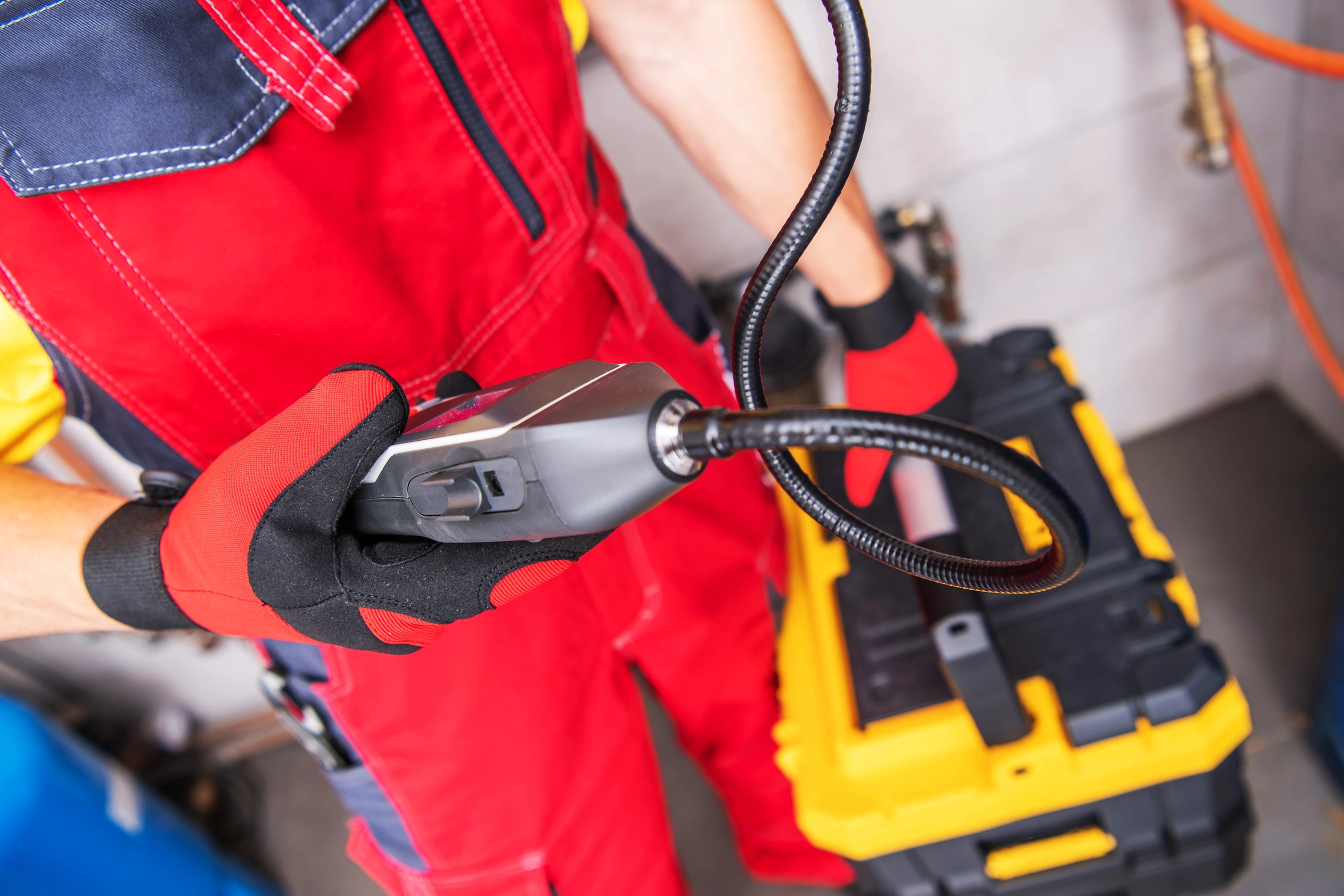
We run a simple test: we try to pass a cable through the line. If it goes through, the line is clear enough to burst. If it will not pass, that usually points to a collapse, a sag, or a bad offset, and we recommend open-cut instead. Only about a third of the sewers we scope qualify, so we confirm it before we promise anything.
For the same line, usually yes. The pipe itself is a small part of the bill. The savings come from not having to excavate the entire line and then rebuild the driveway, hardscape, and lawn on top of it. We put both options in writing so you can compare them directly.
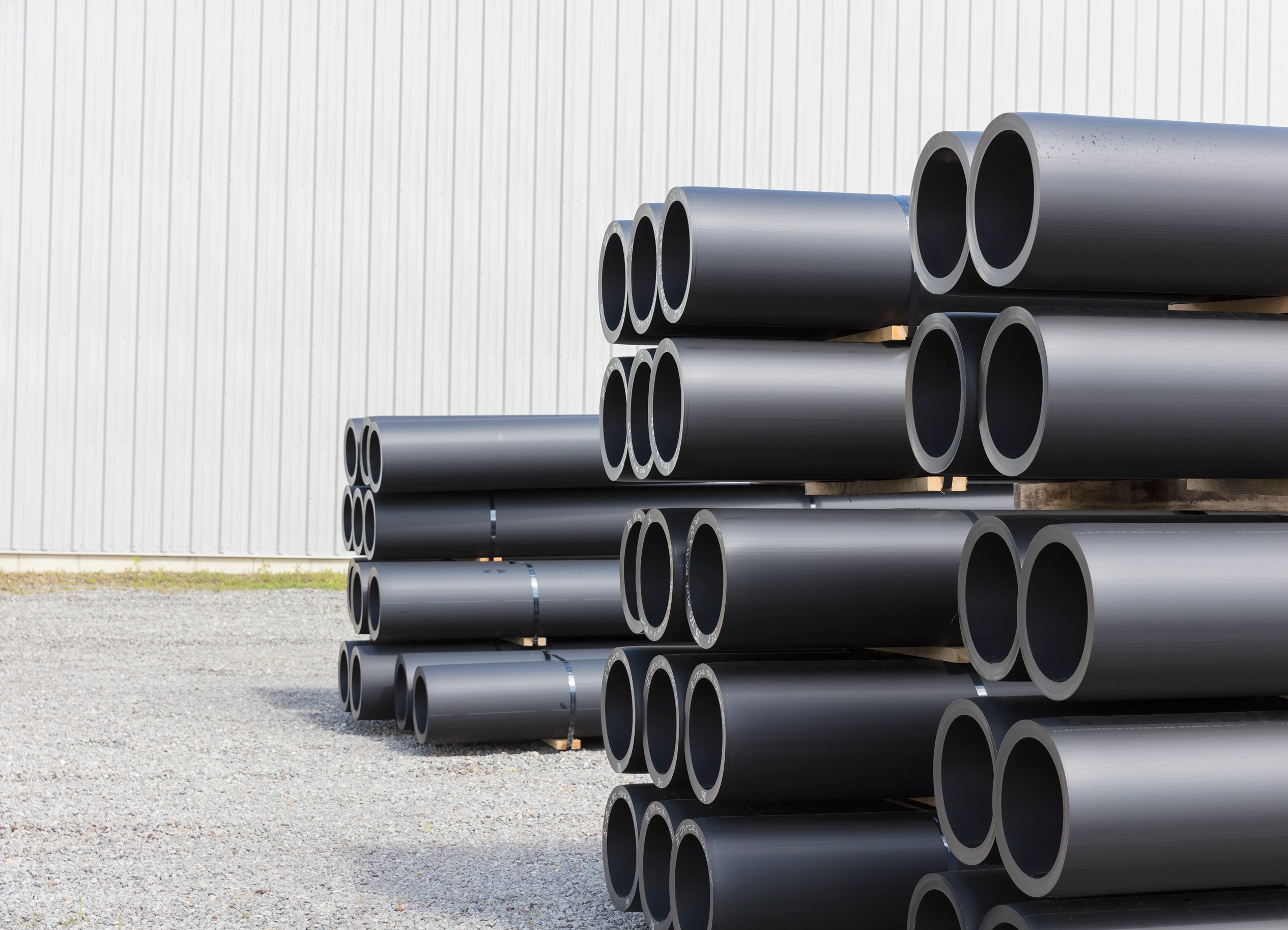
HDPE is fused into one seamless line with no joints for roots to find. Industry design life for HDPE sewer pipe runs roughly 50 to 100 years. The installation itself is backed by our 3-year workmanship warranty, which transfers to a new owner if you sell.
Not when the line qualifies. Part of our check is confirming the sewer is clear of gas, water, and power lines and is not running directly under your house. If utilities sit too close or the line runs beneath a structure, we rule bursting out and recommend open-cut instead. We would rather walk away than risk your foundation or a strike.
Yes. Bursting is one of the few methods that lets us increase pipe diameter, typically from 4 inches to 6 inches, while we replace the line. If your current pipe is undersized for the household, we can size up as we install the new HDPE line.
Yes. A side sewer replacement in Seattle requires a permit and a city inspection, and other jurisdictions across the Eastside and Snohomish County set their own rules. We take care of the whole process, from the permit application and 811 locates to attending the inspection, so you do not have to chase it.
Before you tear up the yard, find out whether your line can be burst instead. Aces Four runs the camera, applies the cable-pull test, and gives you a straight answer backed by footage. If pipe bursting in Seattle is the right call, we handle the pits, permits, and restoration. If not, we tell you.
Call (425) 672-4811 or request a free quote online to get your line scoped. Aces Four is registered in Washington under UBI 604673984.


WA UBI 604673984

Licensed, Bonded & Insured

No commitment · On-site or virtual