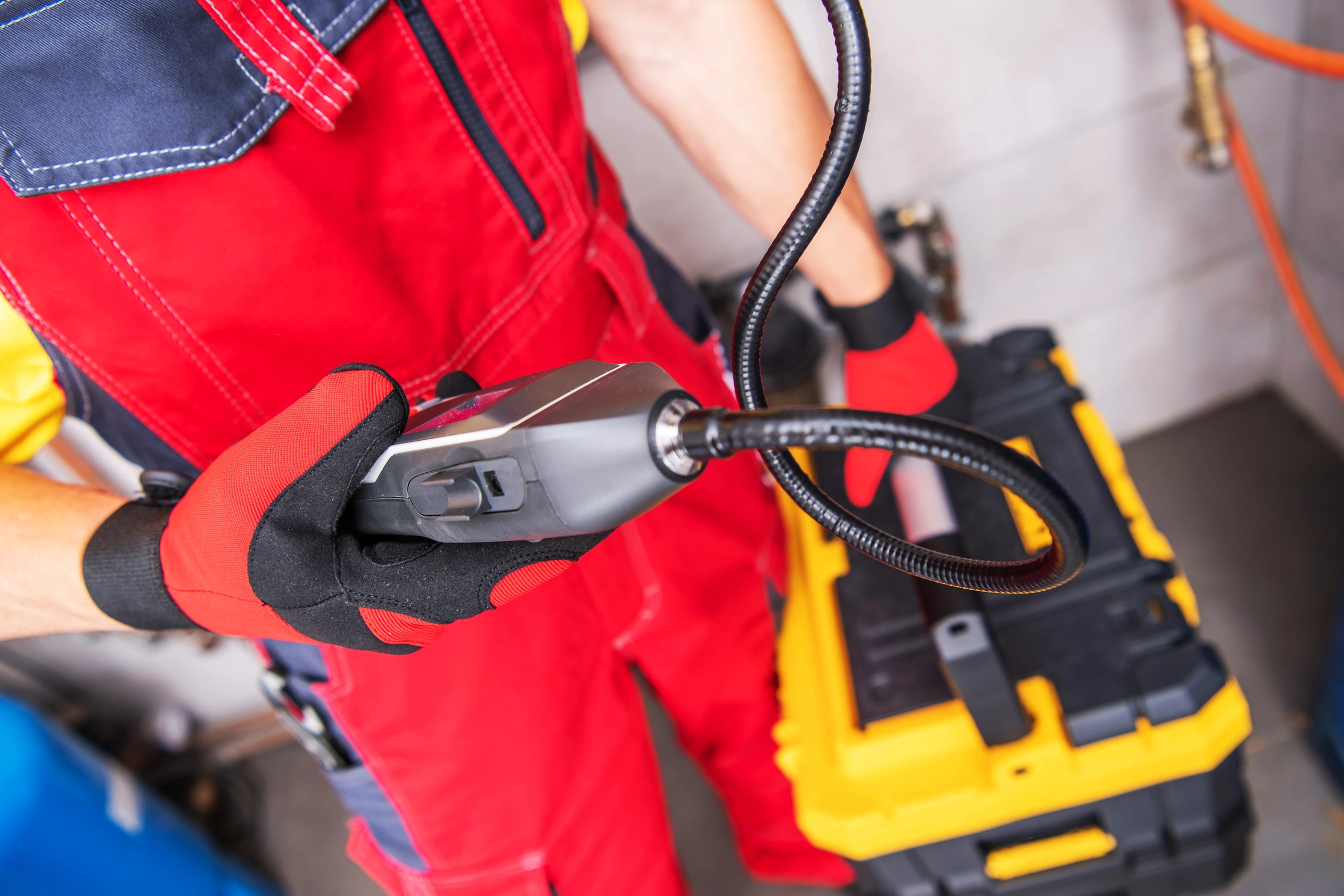
Whether a plumber, an inspector, or another contractor recommended lining, we confirm it with our own camera. Unqualified providers can cause unnecessary excavation or liner problems, and comparing estimates is wise in Seattle. Request ours, and we’ll show you the footage so you pay only for the right solution.
Lining protects driveways, sidewalks, garden beds, and the ground above your line, though entry pits are needed some of the time. Fans ventilate occupied buildings, residents are told about resin odor beforehand, and multi-family quiet hours are respected.
Seattle property owners own the side sewer all the way to the public main, including the section under the street, according to Seattle Public Utilities. Side sewer lining needs a permit and a city inspection, where the inspector watches a live camera scope of the line. We handle both, along with 811 utility locates whenever we dig.
Our dedicated lining crew arrives with a hydro jetter, root-cutting and descaling tools, a camera and locator, a mini excavator for entry pits, and confined-space gear with gas monitors. The crew follows SDS resin handling and styrene and VOC exposure controls, and contains waste resin and cure water.
Quick Answers About Sewer Lining
Here are straight answers to the questions we hear most before a lining job, based on the lines we inspect across Seattle.

Yes, when the iron is corroded but still holds its shape. The same rule applies to most sewer pipes: if it is still round and aligned, it can usually be lined. We check the pipe with a camera first, because heavy scale must be cleared and a badly deteriorated pipe cannot support a liner.
The sewer pipe lining pros and cons for your property show up in your camera footage. A liner follows the existing grade, so it can’t correct a belly, and a large belly rules lining out. A finished liner typically lasts roughly 50 to 60 years. Long-term performance depends on thorough prep.
Slightly. The liner is up to ½ inch thick, and it doesn’t affect flow.
After the liner cures, we reopen each branch connection from inside the pipe with a robotic cutter, then finish the end seals and connections. Each reconnected branch is billed per connection.
Most jobs take one to three days, depending on length and cure method. We line year-round, and Seattle’s cold, wet weather doesn’t affect the work. Curing takes roughly 2 to 5 hours, and your sewer is unusable during that time.
Problems usually come from heavy scale or root mass left in the pipe, active groundwater that stops proper curing, or a line outside the liner’s limits. We don’t line runs longer than about 150 feet (depending on size), lines with more than two or three 90-degree bends, or pipes already too small to lose diameter. Inspection catches these before work starts.
Usually, yes. When your line qualifies, lining typically costs less than replacement. Which method costs less still depends on the run and where it ends, so after assessment, we walk you through each option.
Tell us what you’re seeing, and we’ll set up your free estimate. If your line needs a camera inspection to qualify, we’ll explain the cost first, and you’ll see the footage before any work starts.


WA UBI 604673984

Licensed, Bonded & Insured

No commitment · On-site or virtual