What sewer services does Aces Four offer?

We offer sewer repair, sewer installation, trenchless sewer repair, septic-to-sewer conversion, sewer pump installation, sewer inspections, sewer maintenance, sewer cleaning, and sewer backup services. We also handle sewer line replacement when a damaged line needs to be replaced.
How do I know which sewer service I need?
It depends on what's wrong with the sewer line. If you're dealing with recurring clogs, backups, slow drains, or unusual odors, we'll inspect the system to find the cause. From there, we'll explain whether you need cleaning, repair, replacement, or another sewer service.
What are the most common sewer problems in Seattle?
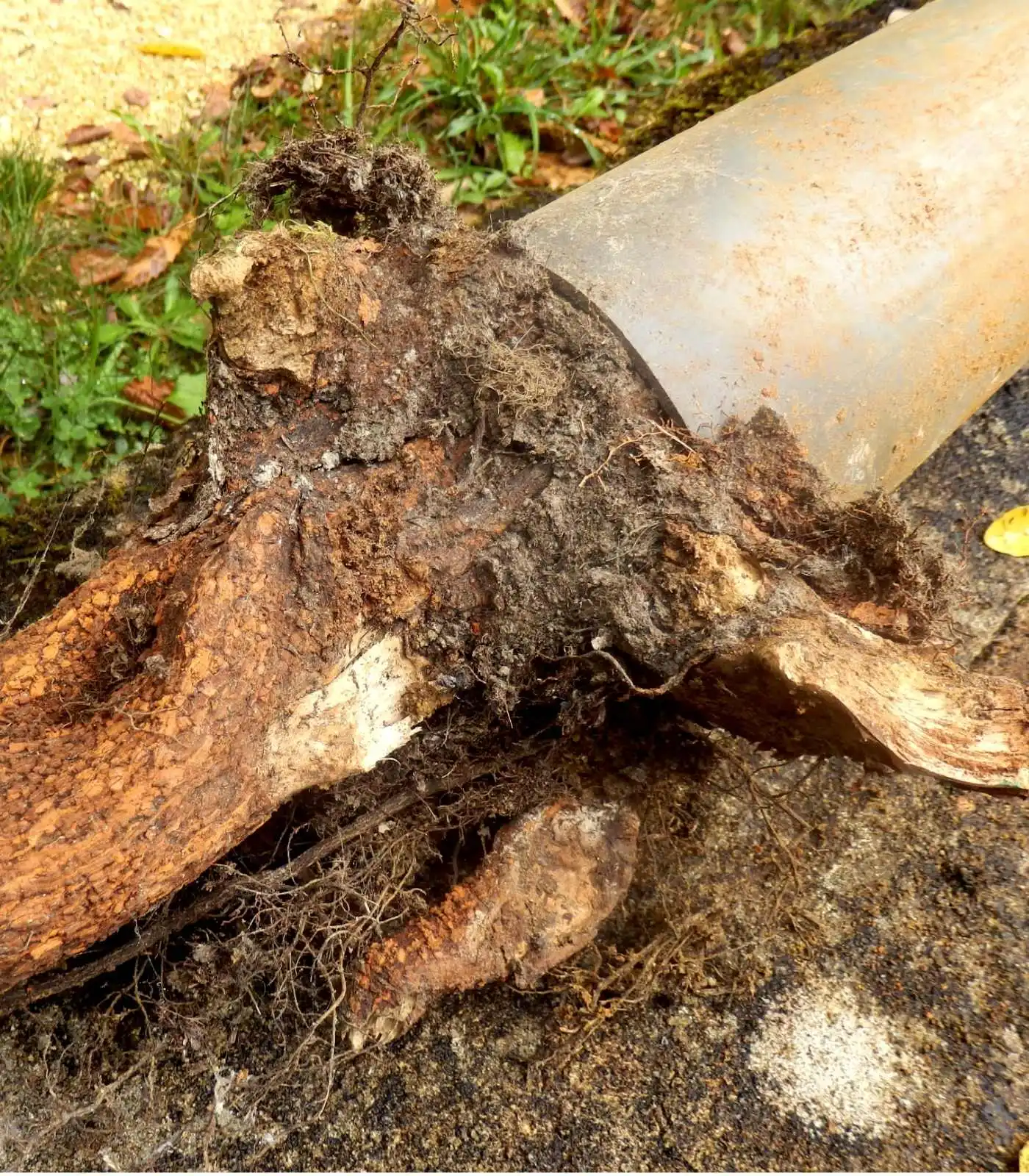
Common problems include blockages, tree root intrusion, leaks, damaged pipes, sewer line collapses, pipe corrosion, poor installation, and recurring clogs. Older sewer lines can be more prone to these problems, so getting a recurring issue checked can help identify what's causing it.
Can sewer problems be fixed without digging up my yard?
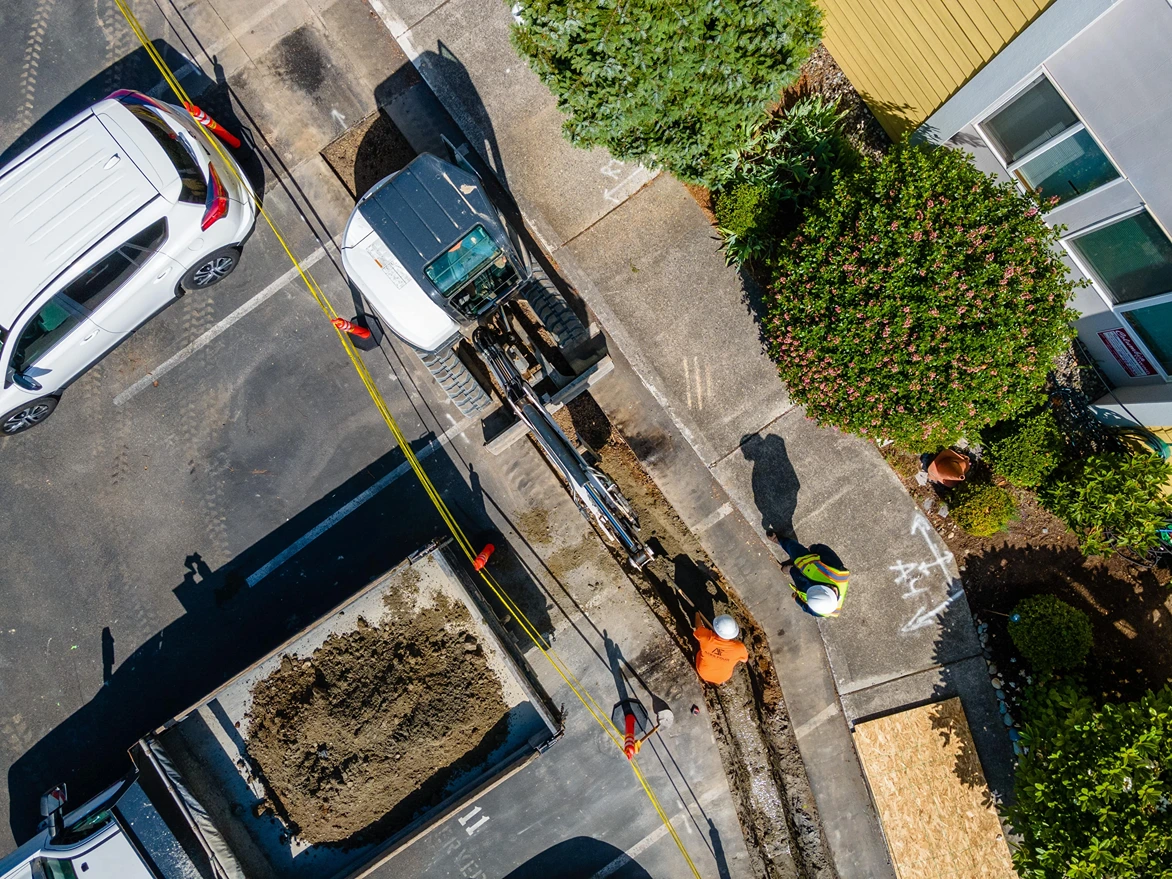
Sometimes. Trenchless sewer repair uses limited excavation compared with traditional sewer replacement. We offer pipe lining and pipe bursting, and we'll determine whether either method is suitable for the condition and location of your sewer line.
How much do sewer services cost?
There's no single price because the cost depends on the service, the condition and location of the sewer line, the amount of work required, and whether excavation is involved. We provide free estimates and assess the property before giving you a price. For general guidance, see our sewer line repair cost guide.
Are Aces Four's sewer contractors licensed and insured?
Yes. Aces Four is a licensed, bonded, and insured Washington contractor. Our registration number is listed in the footer, and you can verify it on the Washington State Department of Labor & Industries website.
Do sewer projects require permits?
Most sewer work does. In Seattle, side sewer work requires a side sewer permit from the Seattle Department of Construction and Inspections (SDCI), and work in the public right of way needs a separate SDOT right-of-way permit. We make sure the necessary permits have been obtained before work begins. For details, see our guide to Seattle side sewer permit requirements.
What should I expect during my first sewer service visit?
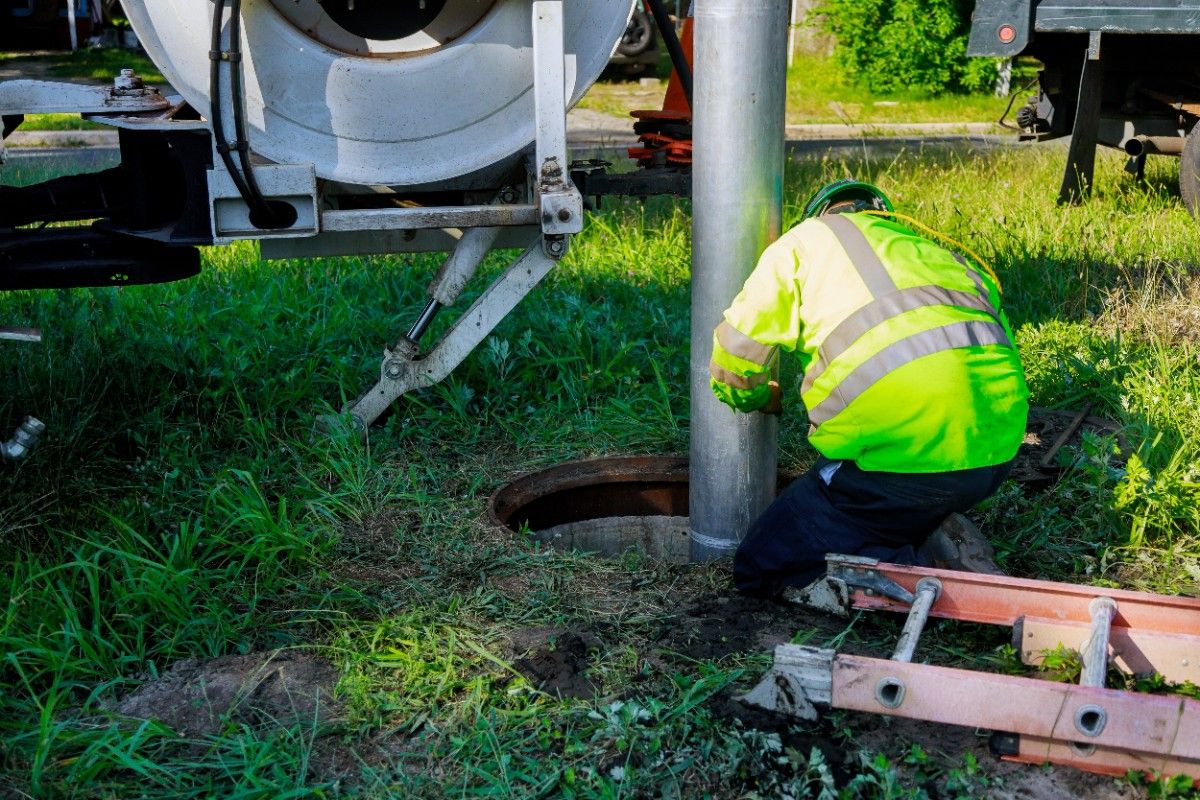
We'll inspect the problem, discuss what we're finding, and explain the work that's needed. If a sewer camera inspection is appropriate, we'll use it to look inside the line before recommending a repair or replacement.
What is the difference between sewer repair and sewer line replacement?
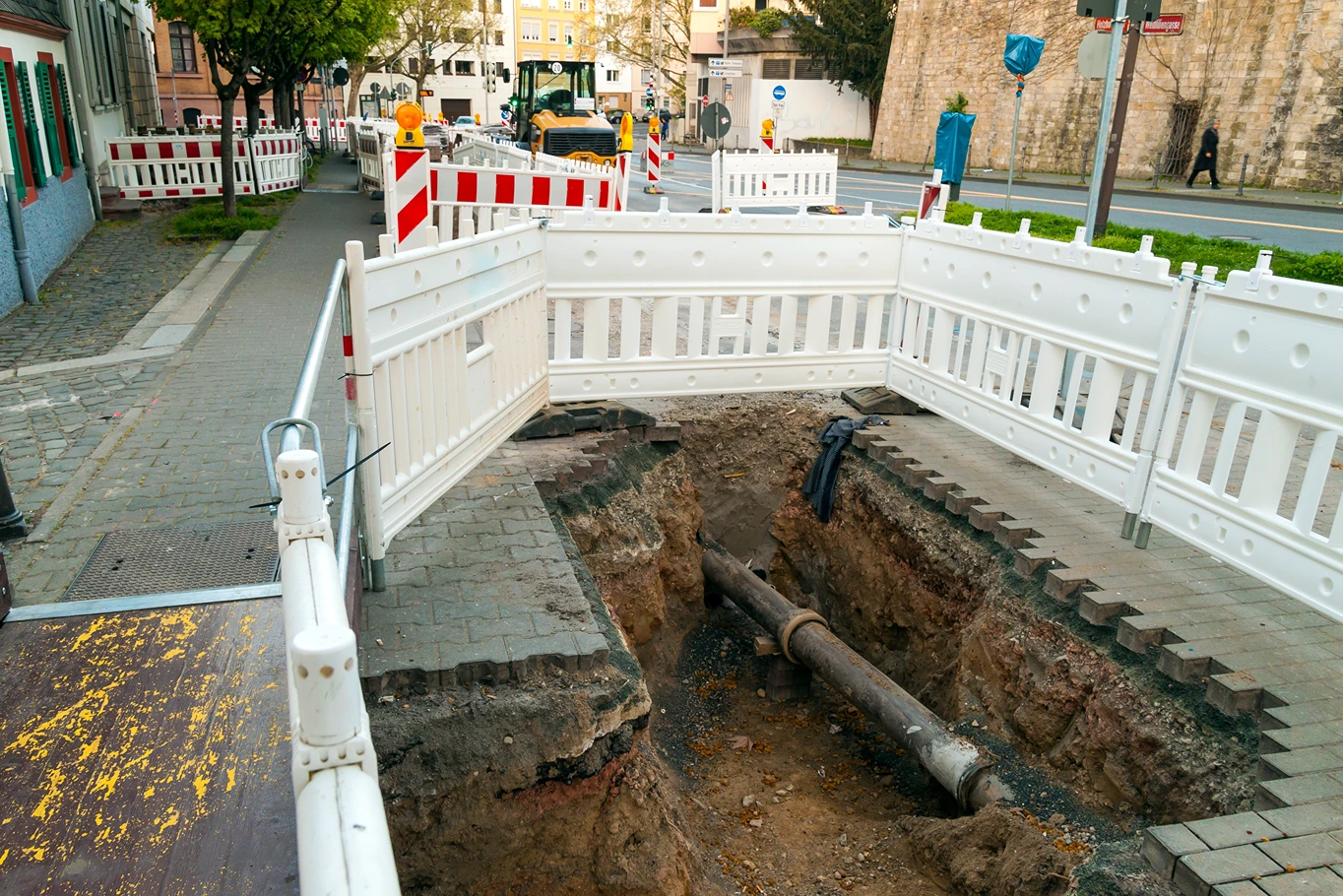
Sewer repair fixes a damaged section of the line, such as a crack or a root-damaged joint. Sewer line replacement installs a new line from the house to the city main when the old line is collapsed, badly deteriorated, or failing in many places. A camera inspection shows which one your line needs.
Who is responsible for the sewer line, the city or the homeowner?
In general, the sewer main in the street is the city's responsibility, while the side sewer that runs from your building to the main is the property owner's. If you're not sure where the problem is, a camera inspection can help locate it.
What are the signs I need a new sewer line?
Signs you may need a new sewer line include frequent clogs or slow drains, foul odors in your yard or home, persistent wet spots or unusually lush grass patches, and foundation cracks or sinkholes near the sewer line. A camera inspection can confirm the cause.
How long does sewer line repair or replacement take?
Trenchless repairs often take about a day, while traditional methods can take several days to a week. Pipe length, depth, access, the type of damage, and permit requirements all affect the timeline.
Can you convert my septic system to the city sewer?
Yes. We handle septic to sewer conversion: we install a new sewer line to the city main with the proper grade and decommission the old tank, subject to the permits that apply.