

Hydro Jet Drain Cleaning Lynnwood - Clear Stubborn Blockages


Tired of Recurring Drain Clogs? It’s Time for a Long-Term Fix in Lynnwood
Are you constantly battling clogged drains or dealing with slow water flow in your Lynnwood home? Snaking can open a clog quickly, but it may leave grease and buildup on the pipe walls, so clogs can return. Grease, sludge, food particles, and even tree roots build up over time, blocking your drain pipes and sewer lines. If you're not sure which method you need, see our guide to hydro jetting vs. snaking.
That's where our hydro jet drain cleaning Lynnwood service comes in. Using high-pressure water jets, we clean the inside of your drain and sewer lines, clearing stubborn clogs, removing debris, and restoring your water flow. Compared with repeated snaking, hydro jetting can give longer-lasting results and help keep your drains flowing smoothly.


Sewer Line Inspection
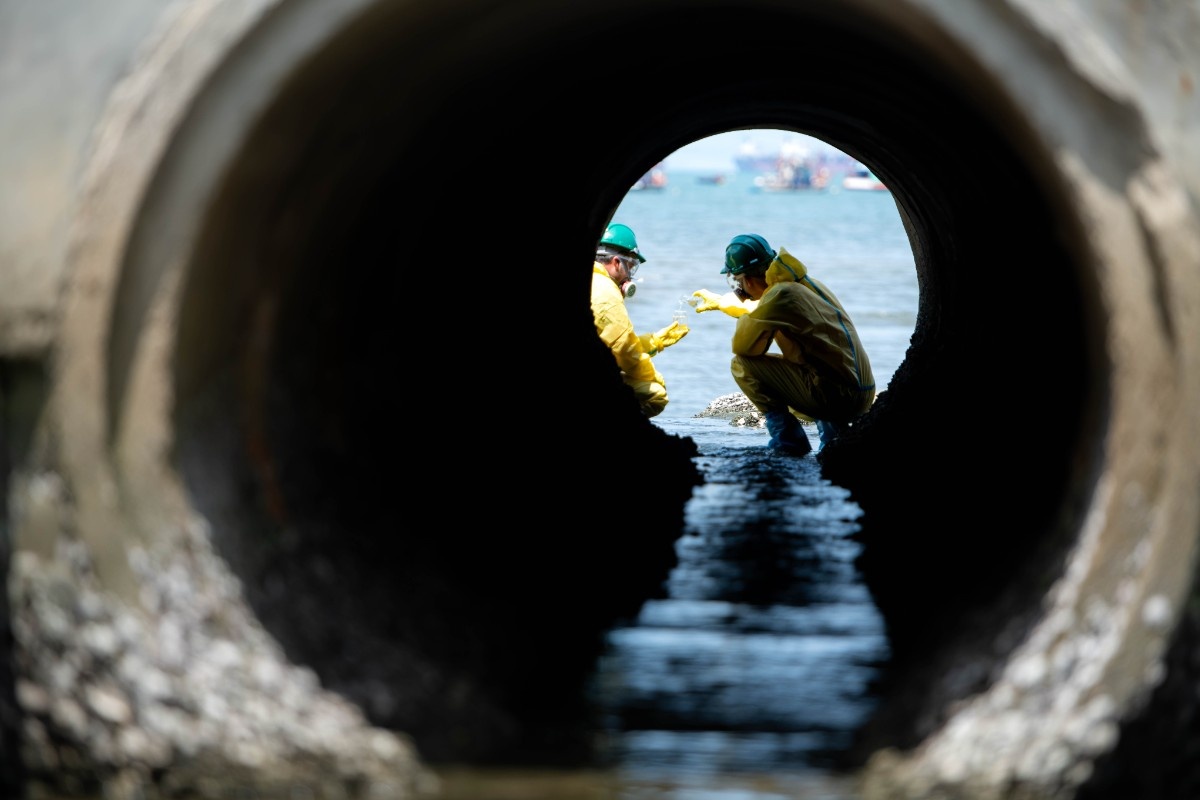
A detailed camera inspection helps identify blockages, cracks, and buildup inside sewer lines for a clearer diagnosis before cleaning or repair.

Hydro Jetting
High-pressure water jets remove grease, sludge, roots, and debris from pipes to restore flow and help prevent future clogs.

Drain Snaking
Mechanical drain snakes or augers break apart and remove stubborn clogs, restoring proper drainage in residential or commercial sewer systems.
Root Removal
Tree roots invading sewer lines are cut and flushed out using specialized equipment, helping reduce pipe damage and recurring blockages.
Grease and Sludge Removal
Thick grease and organic buildup are cleared from the interior of pipes to improve flow and reduce foul odors or backups.
Sewer Line Flushing
Clean water flushing removes loose debris and leftover waste to help the sewer system function efficiently.
Preventive Maintenance Cleaning
Scheduled cleanings help prevent buildup and blockages and keep wastewater flowing consistently.


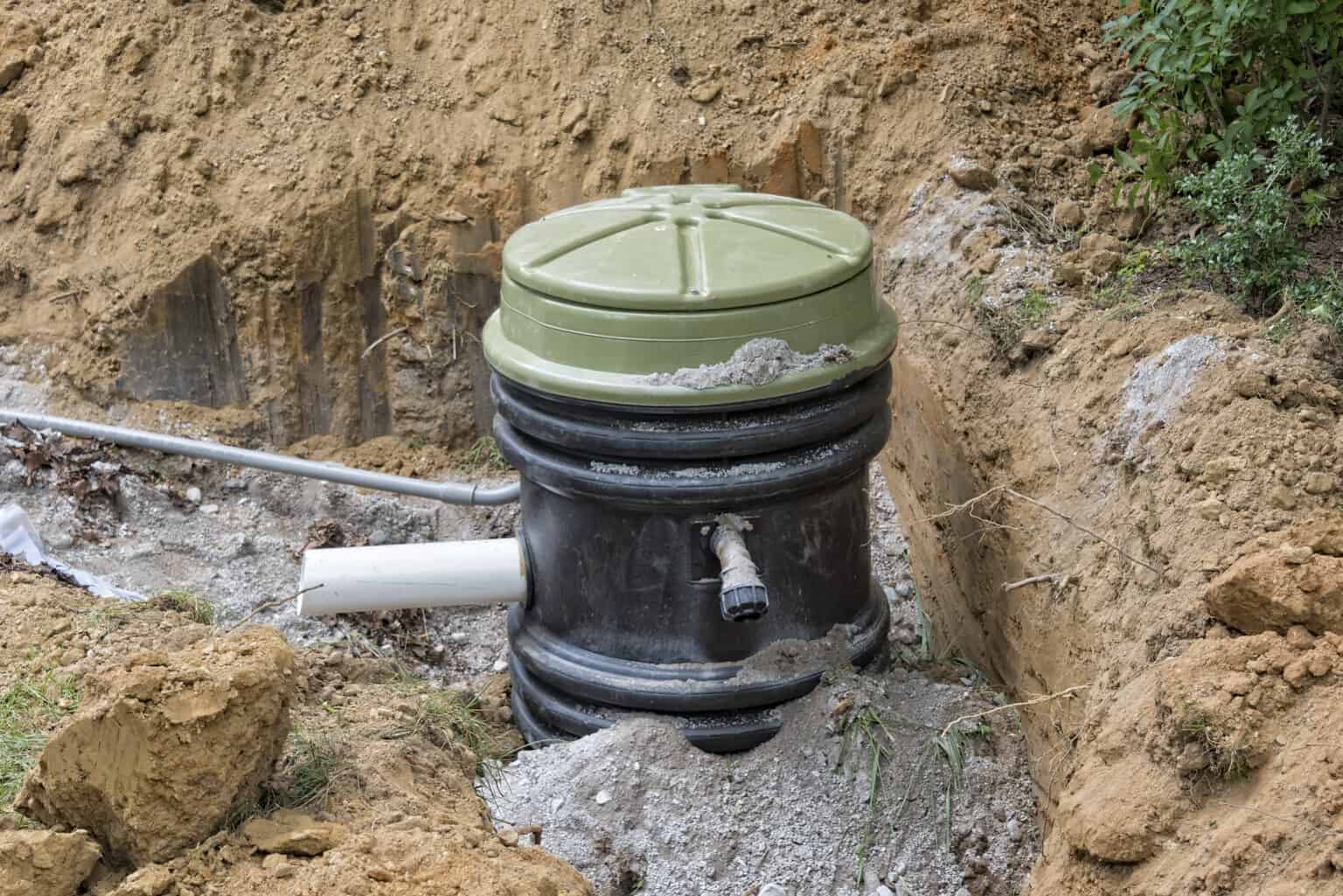




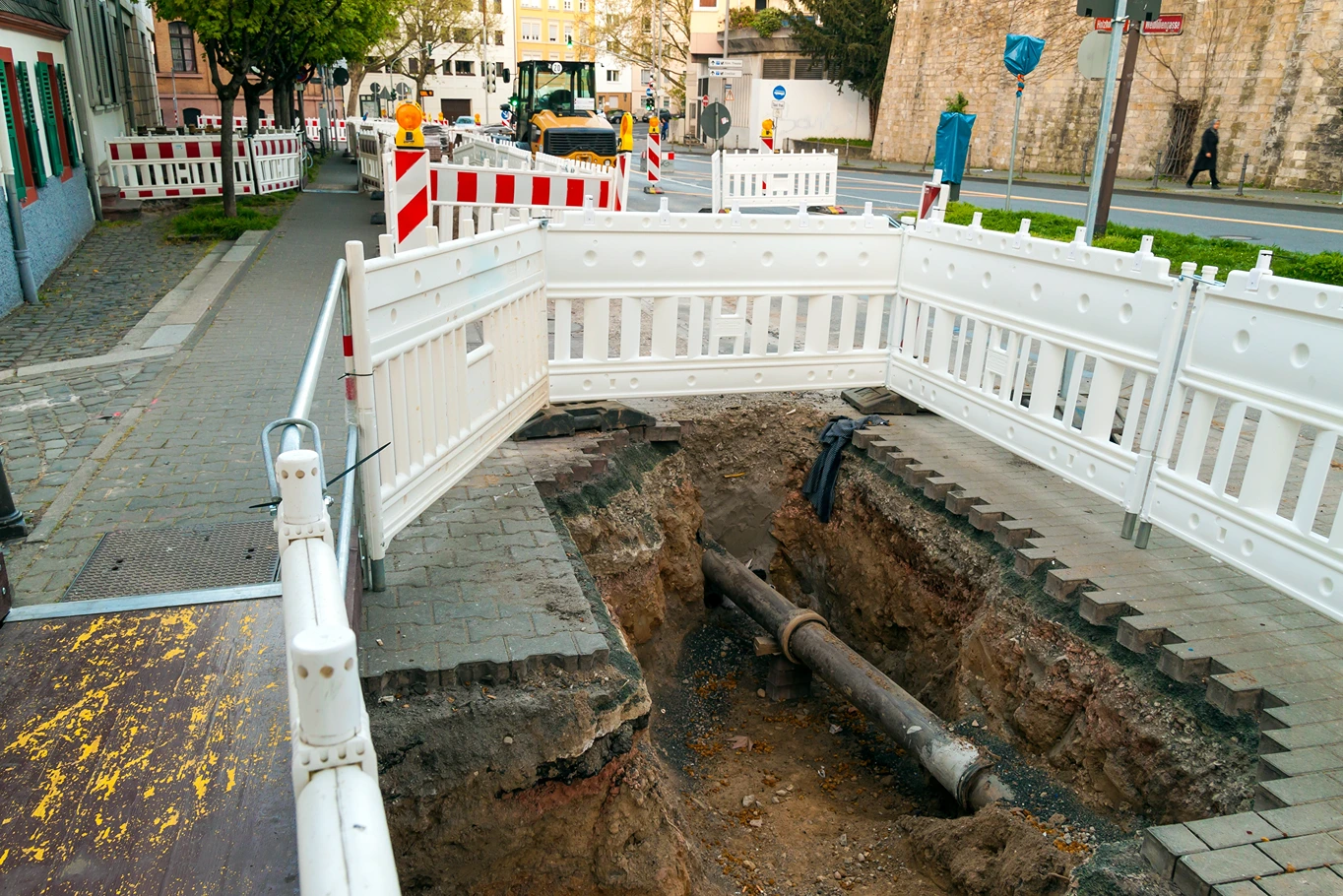




Pipe Bursting

Cured-in-Place Pipe (CIPP) Lining
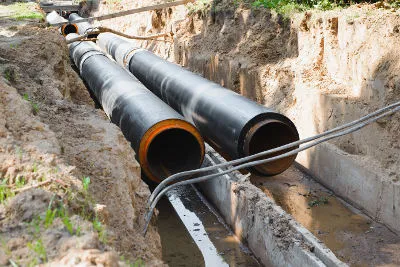
Slip Lining
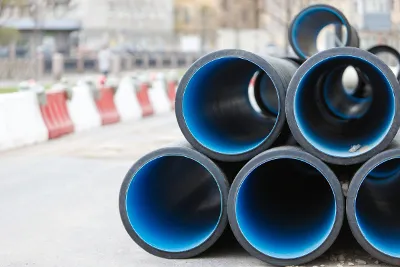
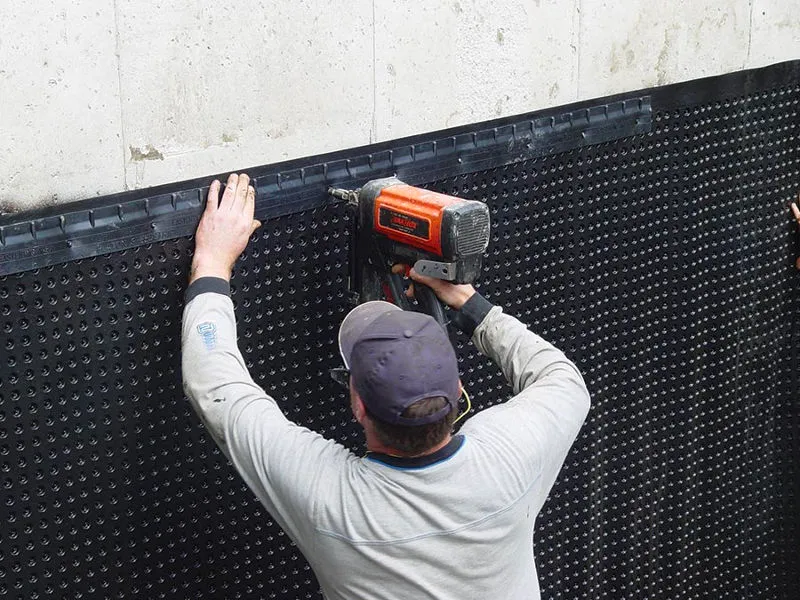
Pipe Coating

(425) 672-4811
Monday to Friday
8:00 am - 5:00 pm

Skip T. from Yelp

Dubs Y. from Yelp
Complete Your Project With Our 4-Step Process in Lynnwood

Schedule Your Free Estimate:
Precise Estimate
Commence the Project
Quality Control Review
Fill Out the Form for a Free Estimate
How long does hydro jet drain cleaning typically take?

Most hydro jet cleanings take a few hours. Pipe length, access, and how much grease, sludge, or root buildup there is all affect the time, and a camera inspection adds some time. We'll give you an estimate of the time when we schedule the job.
How does hydro jet cleaning work?
Hydro jet cleaning uses a hose with a specialized nozzle that sends high-pressure water into the pipe. The water scours grease, sludge, and roots off the pipe walls and flushes the debris out of the line. Before we start, we can inspect the line with a camera so the pressure can be matched to the pipe's material and condition.
What are the benefits of hydro jet cleaning?
Hydro jet cleaning cleans the inside of the pipe rather than just poking a hole through a clog, uses water instead of chemicals, and doesn't require digging. It can clear grease, sludge, and roots, and it can help reduce repeat clogs.
Are there any warranties or guarantees on your hydro jet cleaning services?
Hydro jetting is a cleaning service, so it doesn't carry a manufacturer product warranty like pipe lining materials do. If we find damage that needs repair, we'll explain your options and any warranty that applies.
What are the signs that I need a new sewer line?
Signs you may need a new sewer line include:
- Frequent clogs or slow drains.
- Foul odors in your yard or home.
- Persistent wet spots or lush grass patches.
- Foundation cracks or sinkholes near sewer lines.
- Increased pest activity.
Are there any permits required for hydro jet cleaning work, and will you handle obtaining them?
Hydro jet cleaning is a maintenance service and doesn't normally require a permit. If a camera inspection shows damage that needs repair or replacement, permits may apply, and we'll explain which ones before any repair work begins.
Is hydro jetting safe for old pipes?
Hydro jetting is safe on sound pipe when the pressure is set correctly, but it isn't right for every old pipe. Clay with open joints, badly corroded cast iron, Orangeburg, and collapsed lines can be damaged by high pressure. That's why we can inspect the line with a camera first and recommend repair instead of jetting when the pipe is past cleaning.
How much does hydro jet cleaning cost in Lynnwood?
The cost of hydro jet cleaning depends on the length and size of the line, access, the severity of the blockage, and the condition of the pipe. After a camera inspection we provide a free estimate. For general guidance, see our rooter service cost guide.
What is the difference between hydro jetting and snaking?
Snaking breaks through a clog by cutting a channel in it, while hydro jetting uses high-pressure water to clean the pipe walls. Snaking is often enough for a simple clog, and jetting is better for grease, sludge, and root buildup. Read our guide to hydro jetting vs. snaking.
How often should I have my sewer line hydro jetted?
It depends on the line. Heavy root intrusion may call for cleaning about every six months, minimal roots about once a year, and restaurant or grease-heavy lines more often. We'll recommend a schedule after a camera inspection. See our sewer maintenance service.
Does hydro jetting remove tree roots?
Hydro jetting cuts and flushes roots out of the pipe, but roots can grow back if the pipe has cracks or open joints. If roots keep returning, repair or lining may be a better long-term fix. See our guide to preventing tree roots in sewer pipes.
Do you offer hydro jetting for restaurants and commercial properties in Lynnwood?
Yes. We provide hydro jetting for homes and for commercial properties such as restaurants and apartment buildings, where grease and heavy use cause buildup. Ask us about a regular maintenance schedule.




WA UBI 604673984

Licensed, Bonded & Insured

Ready to start?
No commitment · On-site or virtual